
Plant · GBIF taxon 5284667
Siberian Cedar
Pinus sibiricaAlso known as Siberian Pine, Siberian Stone Pine
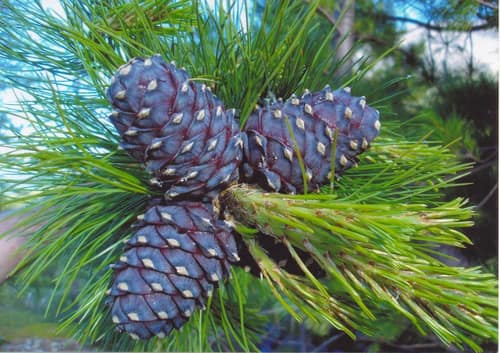
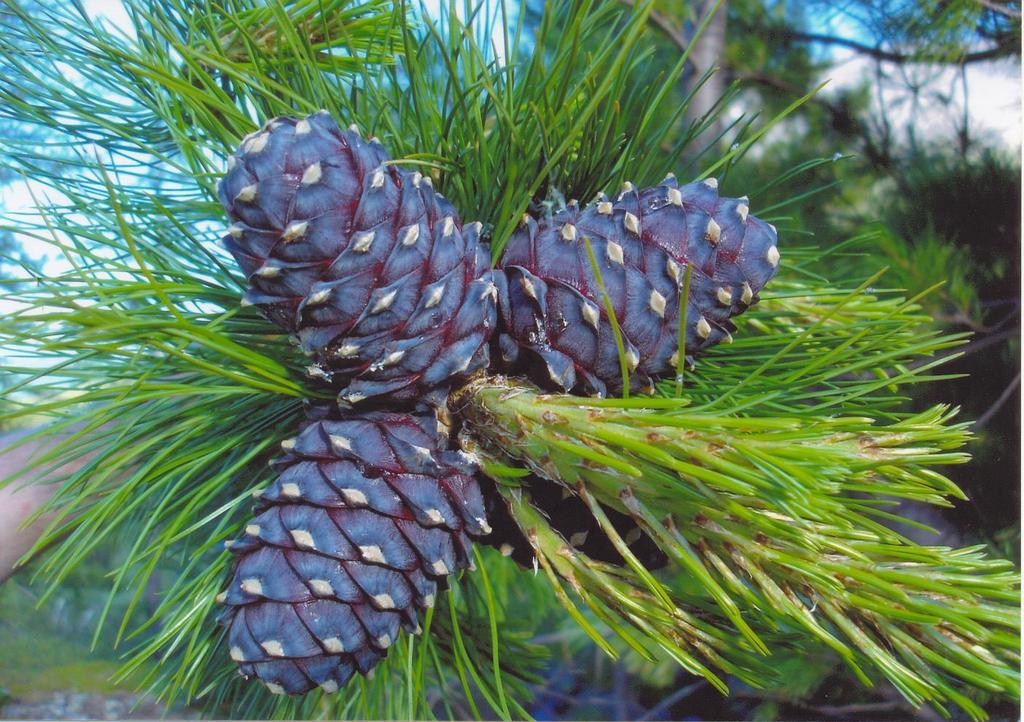
Siberian pines form the backbone of vast taiga ecosystems, enduring extreme Arctic winters and living for over five centuries. Their heavy, wingless seeds rely entirely on the Eurasian nutcracker for dispersal, establishing a vital ecological partnership across the boreal forest. Dense clusters of soft five-needle fascicles give the broad canopy a lush, dark green appearance year-round.
EvergreenConiferCold-Hardy
—observations
—countries
—peak records
Least ConcernConservation statusIUCN Red List categoriesLCNTVUENCREWEXLeast ConcernRed List categories, explained →
Diet & prey
- Photosynthesis
Predators
- Eurasian Bark Beetle
- Pine Caterpillars
ThreatsWildfires, illegal logging, climate change, bark beetle outbreaks
HabitatsBoreal forest (taiga), mountain slopes, river valleys
Life span300–800 years
Size / weightNot available
Classification
- FamilyPinaceae
- SpeciesPinus sibirica
Range data is not available yet.
Interaction riskLow
- Low
- Moderate
- High
- Very high
- Why interaction risk is low
- Safe to observe at a normal distance.
Responsible observation
- Observe from below: Look high into the mature canopy to spot large, erect brown seed cones.
- Check needle bundles: Confirm five soft, bluish-green needles bundled per cluster to verify ID.
- Watch for seed dispersal: Look for Eurasian nutcrackers actively harvesting cones during late summer.
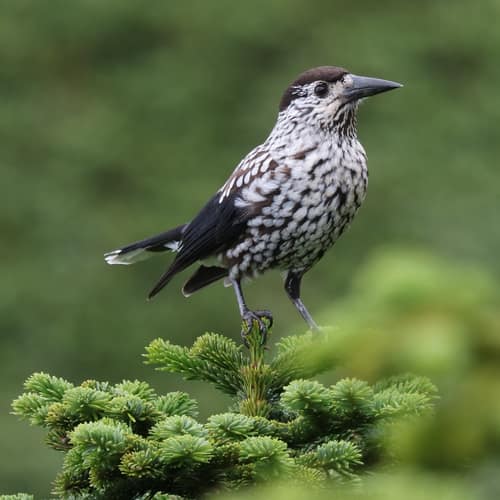
Symbiont (c) Alpsdake, some rights reserved (CC BY-SA) · cc-by-sa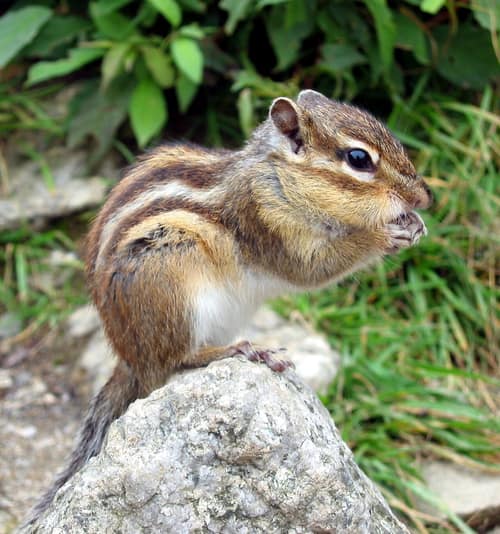
Seed Consumer AndiW 10:51:45, 2005-09-04 (UTC) / Public domain · cc0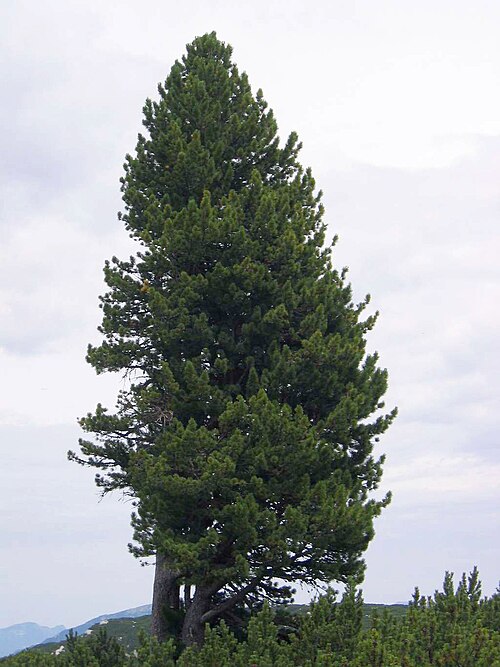
Close Relative Tigerente at German Wikipedia / CC BY-SA 3.0 · cc-by-sa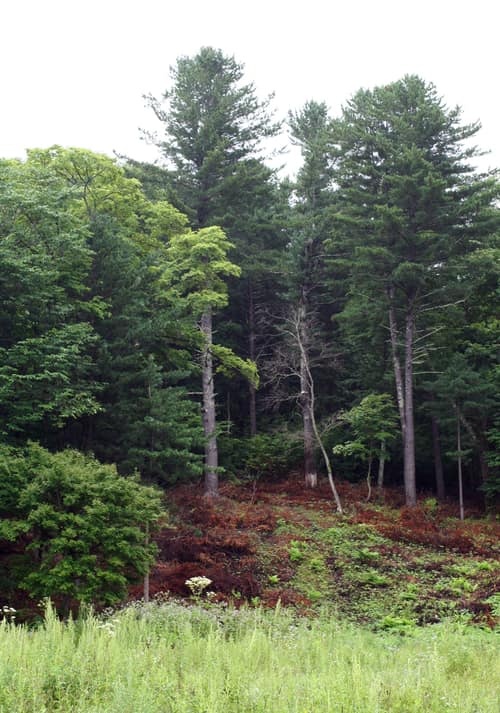
Close Relative (c) Oleg Kosterin, some rights reserved (CC BY) · cc-by
Help improve the field guideSomething wrong?
Checking your Fauna account…Report a name, category, or profile issue for review.