
Bird · GBIF taxon 2482613
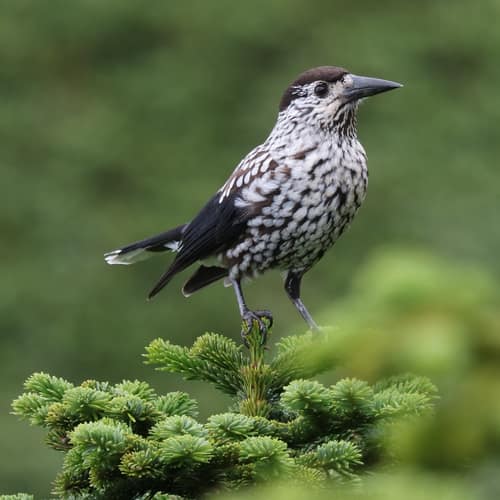
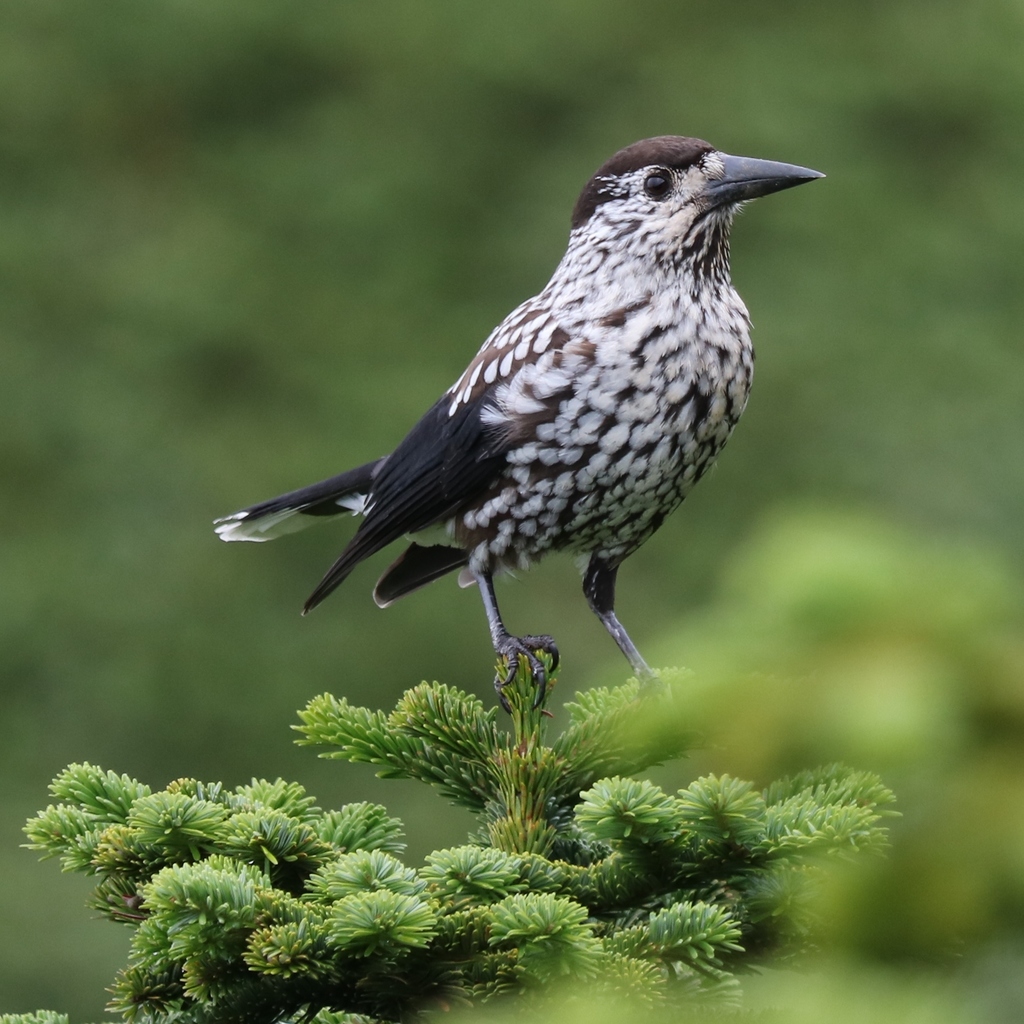
Spotted Nutcracker
Nucifraga caryocatactesAlso known as Northern Nutcracker, Eurasian Nutcracker
Spotted nutcrackers possess specialized sublingual pouches beneath their tongues, allowing them to carry up to a hundred pine seeds at a time to secret caches hidden across mountain slopes. A single bird can store tens of thousands of seeds each autumn, relying on incredible spatial memory to relocate food stores under deep snow. This caching activity makes them indispensable seed dispersers for high-altitude pines like the Swiss pine.
Seed CacherHighlandForest Bird
—observations
—countries
—peak records
Least ConcernConservation statusIUCN Red List categoriesLCNTVUENCREWEXLeast ConcernRed List categories, explained →
Diet & prey
- Swiss Pine Seeds
- Hazelnuts
- Insects
Predators
- Goshawk
- Pine Marten
- Eurasian Eagle-Owl
ThreatsHabitat fragmentation, climate change affecting pine seed yields
HabitatsBoreal taiga, montane conifer forests, subalpine woods
Life span8–15 years
Size / weightNot available
Classification
- FamilyCorvidae
- SpeciesNucifraga caryocatactes
Range data is not available yet.
Interaction riskLow
- Low
- Moderate
- High
- Very high
- Why interaction risk is low
- Safe to observe at a normal distance.
Responsible observation
- Listen for calls: Listen for harsh, grating krr-krr-krr calls echoing through high-altitude pine forests.
- Watch pine stands: Scan the tops of Swiss or Siberian pines during autumn when birds harvest and cache seeds.
- Maintain distance: Observe quietly from trail edges to watch seed-caching behavior without causing disturbance.
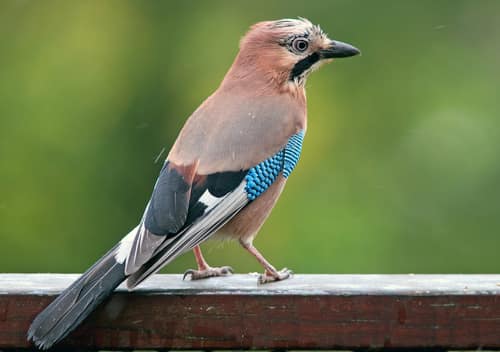
Competitor (c) Luc Viatour, some rights reserved (CC BY-SA) · cc-by-sa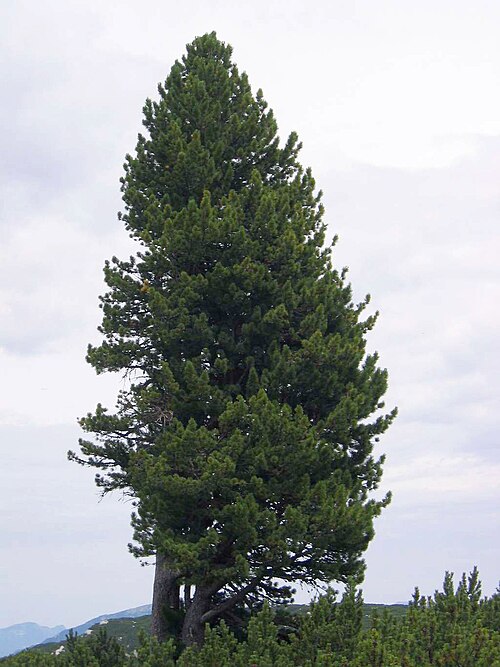
Symbiont Tigerente at German Wikipedia / CC BY-SA 3.0 · cc-by-sa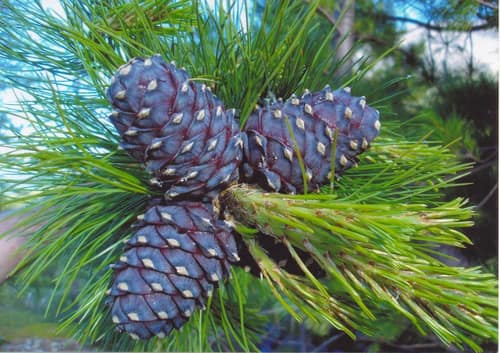
Symbiont (c) ugraland, some rights reserved (CC BY) · cc-by
Close Relative Polinova / CC BY-SA 4.0 · cc-by-sa
Help improve the field guideSomething wrong?
Checking your Fauna account…Report a name, category, or profile issue for review.