
Mammal · GBIF taxon 4267119
Malbrouck
Chlorocebus cynosurosAlso known as Malbrouck Monkey, Cynosuros Monkey
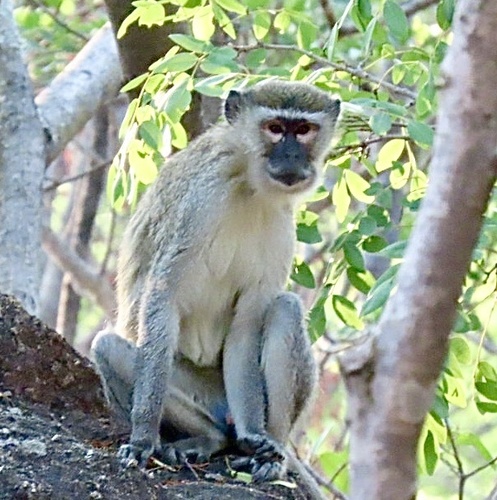
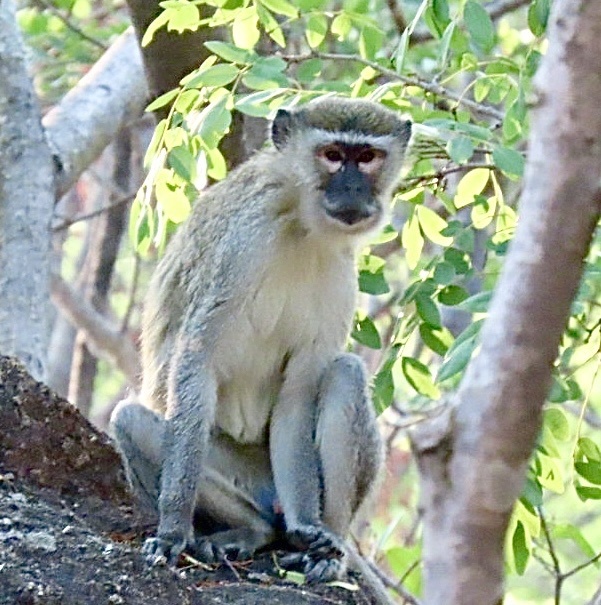
Malbrouck monkeys navigate the riverine woodlands and savanna mosaics of south-central Africa in vocal, cooperative troops structured around lifelong female kinships. They possess a sophisticated repertoire of alarm calls and body postures that instantly signal specific threats, from stalking leopards to raptors descending through the canopy. While agile climbers that forage high for sweet pods and succulent shoots, they spend considerable daylight hours travelling on the ground and inspecting fallen debris.
DiurnalSocialArboreal
—observations
—countries
—peak records
Least ConcernConservation statusIUCN Red List categoriesLCNTVUENCREWEXLeast ConcernRed List categories, explained →
Diet & prey
- Wild figs
- Acacia seeds
- Grasshoppers
Predators
- Leopard
- Crowned Eagle
- Southern African Python
ThreatsHabitat clearance, retaliatory killing for crop raiding, vehicle strikes, and bushmeat hunting.
HabitatsGallery forests, riverine thickets, open savanna woodlands, and scrublands.
Life span15–20 years in the wild
Size / weightNot available
Classification
- FamilyCercopithecidae
- SpeciesChlorocebus cynosuros
Range data is not available yet.
Interaction riskModerate
- Low
- Moderate
- High
- Very high
- Why interaction risk is moderate
- Can deliver a sharp defensive bite or scratch and carry zoonotic pathogens; observe quietly from a distance.
- Why it is dangerous
- Equipped with long, sharp canine teeth that cause deep puncture wounds and may transmit zoonotic bacterial or viral pathogens.
- How to recognize a risky encounter
- Look for a slender monkey with grizzled greenish-grey fur, a dark face bordered by pale whiskers, and a long arched tail.
- What to do
- Do not attempt to feed, handle, or corner these monkeys; back away slowly if an individual displays an open-mouth threat.
Responsible observation
- Observation Distance: Maintain a margin of at least ten meters to avoid stressing the troop or provoking defensive lunges.
- Food Management: Keep food and packs tightly sealed, as monkeys quickly exploit open containers and can become aggressive.
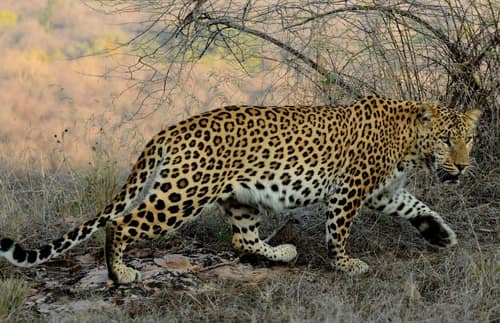
Predator (c) Raja bandi, some rights reserved (CC BY), uploaded by Raja bandi · cc-by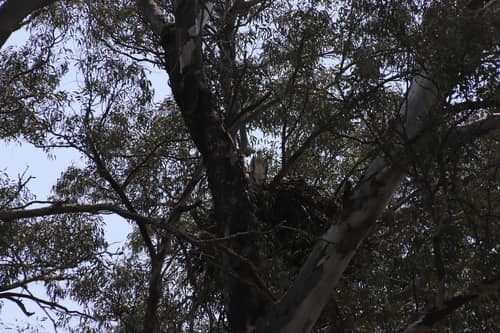
Predator (c) Suvarna Parbhoo Mohan, some rights reserved (CC BY-SA) · cc-by-sa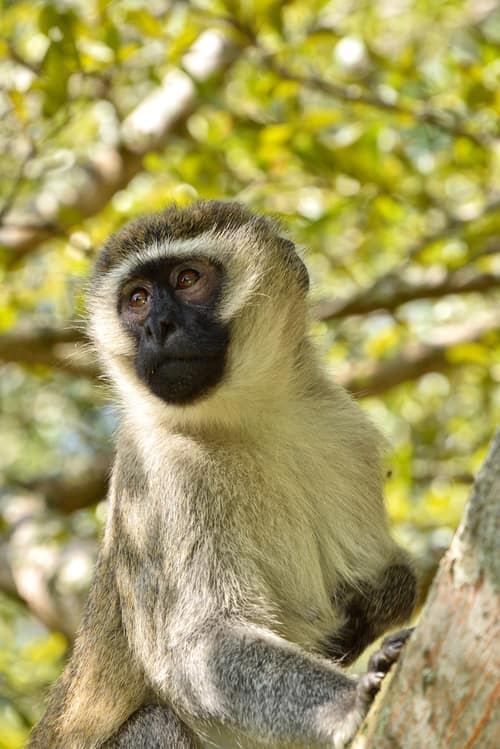
Close Relative "Vervet Monkey, Uganda" by Rod Waddington is licensed under CC BY-SA 2.0. To view a copy of this license, visit https://creativecommons.org/licenses/by-sa/2.0/. · cc-by-sa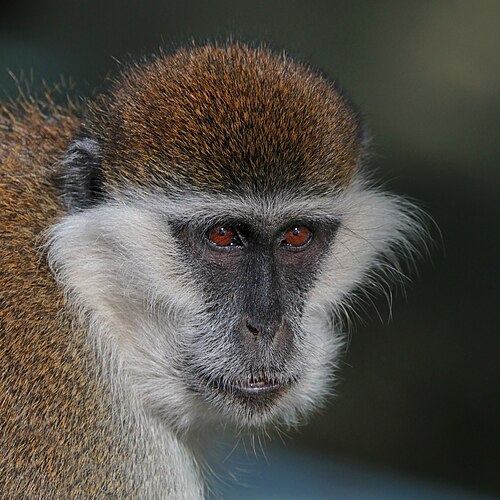
Close Relative Charles J. Sharp / CC BY-SA 4.0 · cc-by-sa
Help improve the field guideSomething wrong?
Checking your Fauna account…Report a name, category, or profile issue for review.