
Bird · GBIF taxon 2480391
Crowned Eagle
Stephanoaetus coronatusAlso known as African Crowned Eagle, Crowned Hawk-Eagle
Crowned eagles dominate the African forest canopy with immense strength, regularly capturing mammalian prey weighing several times their own body mass. Monogamous pairs construct enormous stick nests high in emergent trees, often adding to the same aerie across decades of breeding cycles. During territory defense and courtship, adults perform spectacular undulating sky dives accompanied by loud, resonant whistling calls that carry across miles of dense forest.
Apex PredatorForest RaptorCarnivore
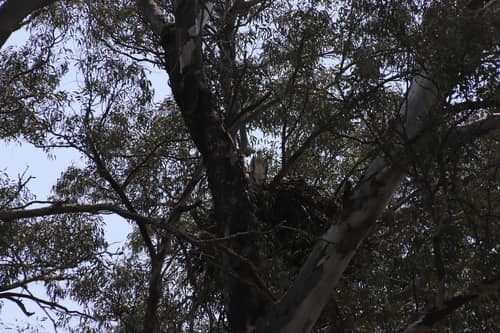
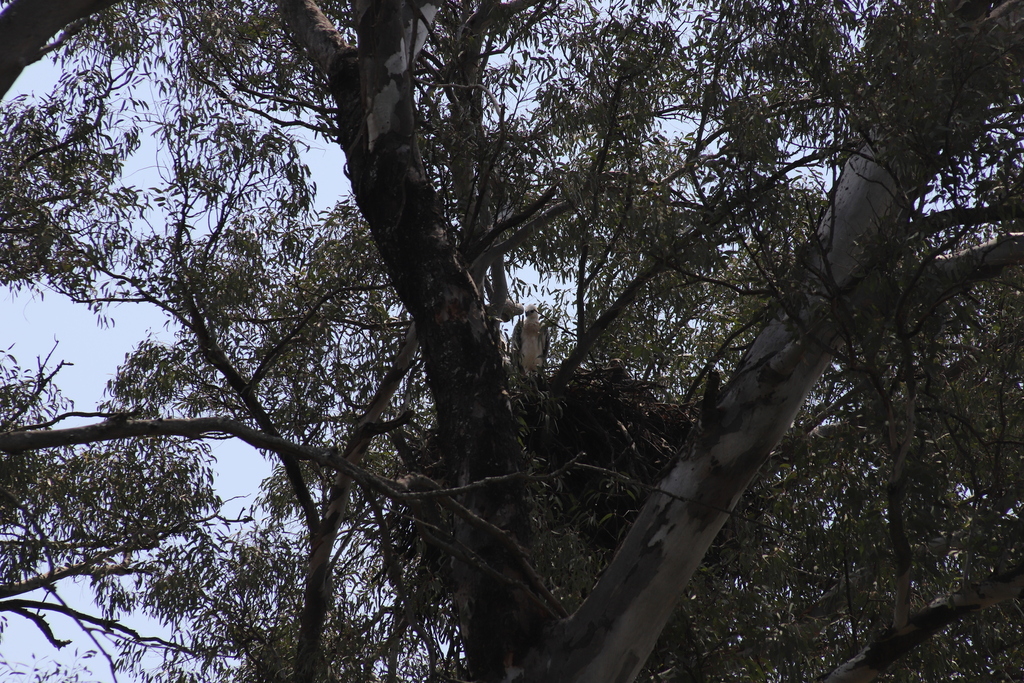
—observations
—countries
—peak records
Near ThreatenedConservation statusIUCN Red List categoriesLCNTVUENCREWEXNear ThreatenedRed List categories, explained →
Diet & prey
- Blue Monkey
- Blue Duiker
- Rock Hyrax
Predators
- Leopard
ThreatsHabitat loss from deforestation, depletion of forest prey populations, and direct persecution
HabitatsDense lowland rainforests, montane forests, and riparian woodlands
Life span15–30 years
Size / weightNot available
Classification
- FamilyAccipitridae
- SpeciesStephanoaetus coronatus
Range data is not available yet.
Interaction riskLow
- Low
- Moderate
- High
- Very high
- Why interaction risk is low
- Safe to observe at a normal distance; never approach or climb active nest trees.
- What to notice
- Look for a prominent double crest on the head, heavily barred underparts, and short, rounded wings suited for navigating dense timber.
- Support conservation
- Maintain a generous buffer from active breeding sites to prevent nest abandonment, and report sightings to local raptor conservation initiatives.
Responsible observation
- Listen for Calls: Locate individuals high overhead by listening for loud, rhythmic whistling displays given during midday flights.
- Scan Emergent Trees: Search the tallest trees along river corridors and forest edges where adults favor perching to spot canopy prey.
- Give Nests Space: Keep a wide distance from known nest platforms, as brooding pairs are extremely sensitive to human disturbance.
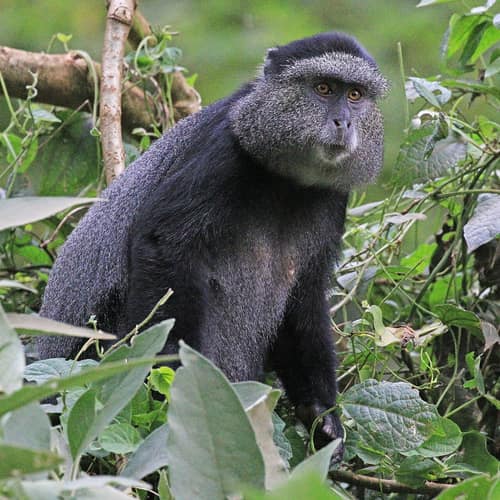
Prey Charles J. Sharp / CC BY-SA 4.0 · cc-by-sa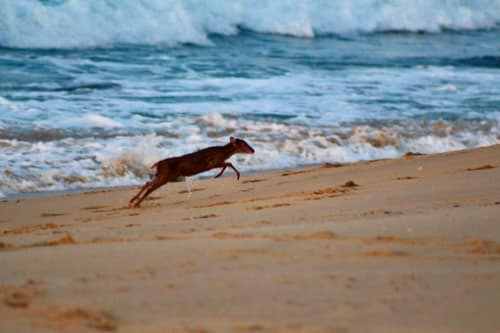
Prey (c) Henry de Lange, some rights reserved (CC BY), uploaded by Henry de Lange · cc-by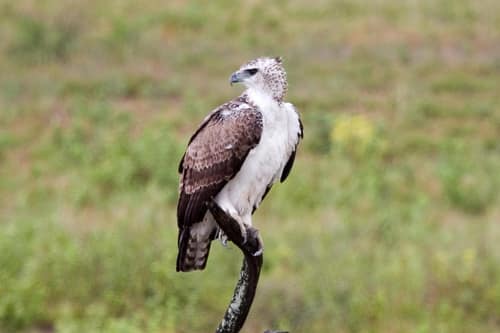
Competitor (c) Dan Harville, some rights reserved (CC BY-SA), uploaded by Dan Harville · cc-by-sa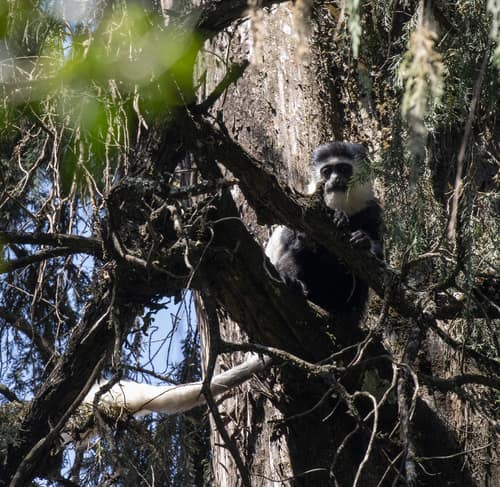
Prey (c) avocat, some rights reserved (CC BY) · cc-by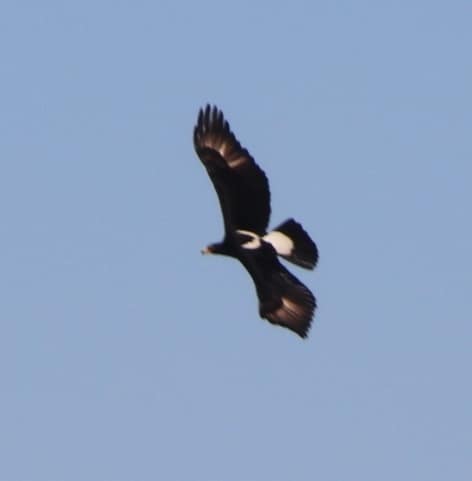
Same Family (c) Tony Rebelo, some rights reserved (CC BY-SA), uploaded by Tony Rebelo · cc-by-sa
Help improve the field guideSomething wrong?
Checking your Fauna account…Report a name, category, or profile issue for review.