
Invertebrate · GBIF taxon 2278852
Pacific Purple Sea Urchin
Strongylocentrotus purpuratusAlso known as Purple Sea Urchin
Pacific purple sea urchins carve circular pits into solid rock using their sharp teeth and rotating spines, creating secure burrows that protect them from battering surf and hungry predators. When sea otter and sea star populations plummet, these grazers can multiply exponentially and chew through kelp holdfasts, reducing towering kelp forests into barren rocky expanses known as urchin barrens. Biologists also celebrate them as a foundational model organism in developmental biology and genetics due to their transparent embryos and well-mapped genome.
MarineTidepoolInvertebrate
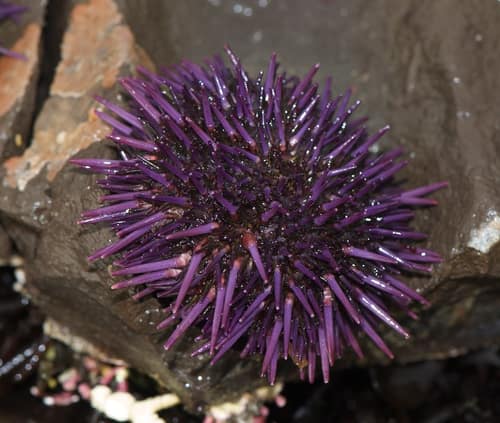
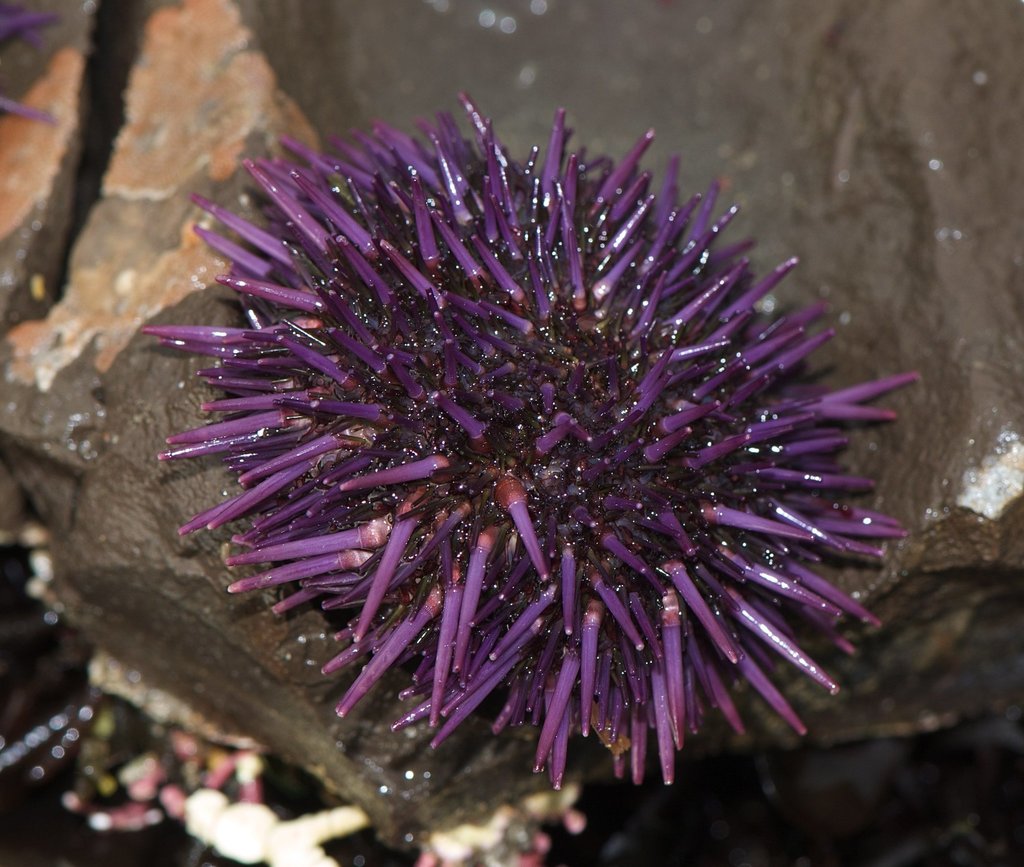
—observations
—countries
—peak records
Not EvaluatedConservation statusIUCN Red List categoriesLCNTVUENCREWEXNot Evaluated — not placed on the risk ladderRed List categories, explained →
Diet & prey
- Giant Kelp
- Bull Kelp
- Coralline Algae
Predators
- Sea Otter
- Sunflower Sea Star
- California Sheephead
ThreatsMarine heatwaves, ocean acidification, and sea urchin wasting disease
HabitatsLow intertidal rocky reefs, tidepools, and kelp forests
Life span30–50 years
Size / weightNot available
Classification
- FamilyStrongylocentrotidae
- SpeciesStrongylocentrotus purpuratus
Range data is not available yet.
Interaction riskLow
- Low
- Moderate
- High
- Very high
- Why interaction risk is low
- Safe to observe at a normal distance; watch footing around tidepools to avoid painful spine punctures.
Responsible observation
- Tidepool Etiquette: Look closely without prying them loose from their rock depressions, as pulling breaks delicate tube feet.
- Footwear: Wear thick-soled booties or water shoes when walking rocky intertidal zones to prevent spine punctures.
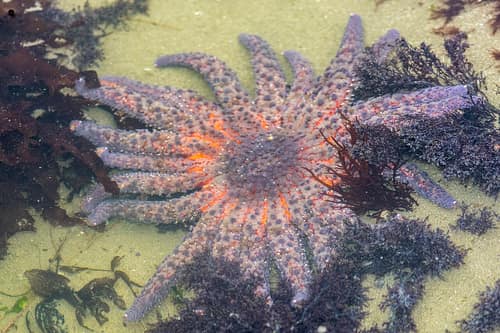
Predator Jerry Kirkhart from Los Osos, Calif. / CC BY 2.0 · cc-by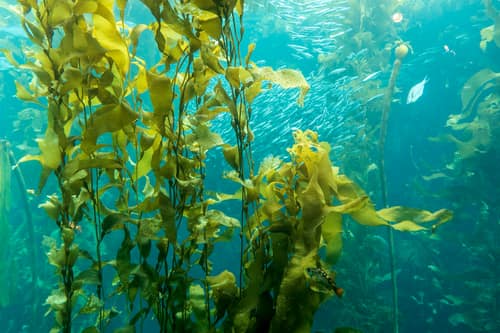
Prey "Giant kelp (Macrocystis pyrifera), Monterey Bay aquarium, California" by LT&C is licensed under CC BY 2.0. To view a copy of this license, visit https://creativecommons.org/licenses/by/2.0/. · cc-by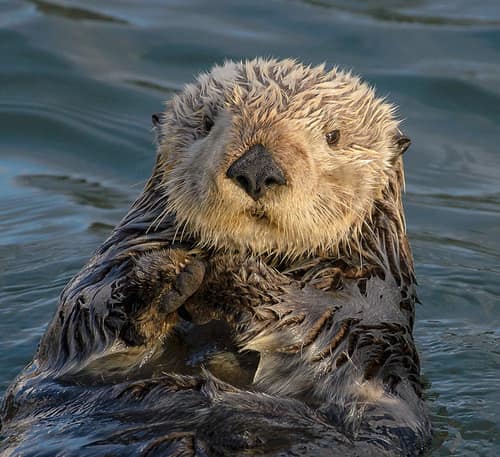
Predator Marshal Hedin from San Diego / CC BY-SA 2.0 · cc-by-sa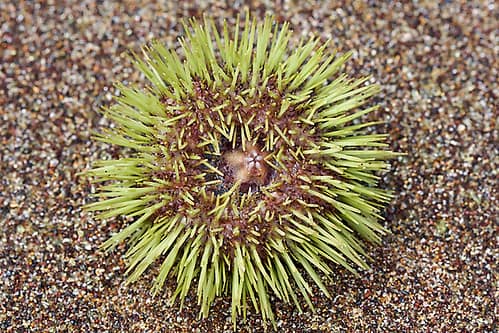
Same Genus "Green sea urchin" by lightmatter is licensed under CC BY 2.0. To view a copy of this license, visit https://creativecommons.org/licenses/by/2.0/. · cc-by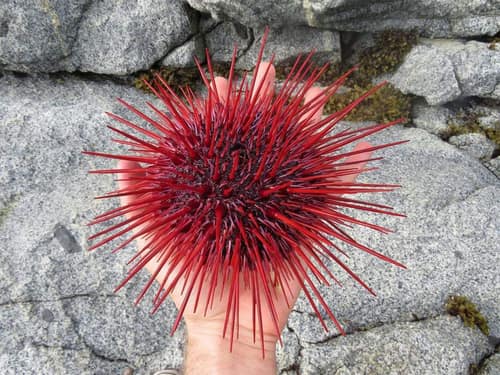
Close Relative no rights reserved, uploaded by Braden J. Judson · cc0
Help improve the field guideSomething wrong?
Checking your Fauna account…Report a name, category, or profile issue for review.