
Fish · GBIF taxon 9241141
Reef Manta Ray
Mobula alfrediAlso known as Coastal Manta Ray, Alfred Manta, Prince Alfred's Ray
Reef manta rays are highly social filter feeders celebrated for acrobatic barrel rolls that funnel dense swarms of zooplankton into their wide, terminal mouths. Individuals congregate regularly around shallow coral cleaning stations, where cleaner wrasses pick off skin parasites while the rays hover almost motionless in the current. Because females carry a single pup for over a year before giving birth, localized populations take decades to recover from targeted fishing or bycatch.
MarineFilter Feeder
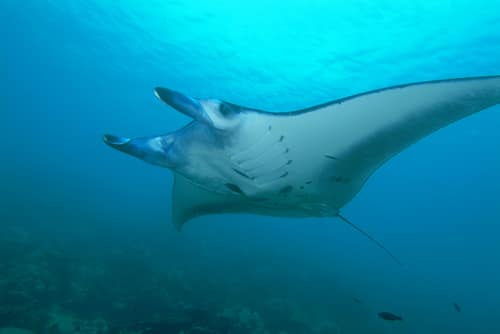
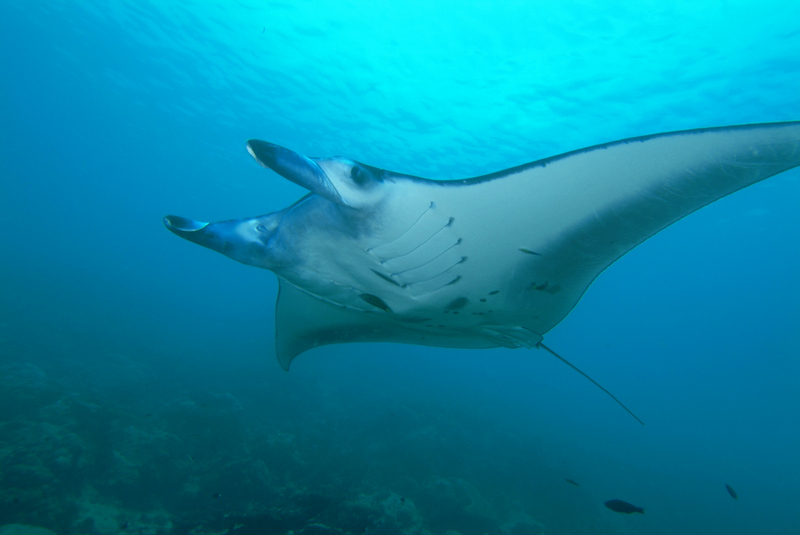 1 / 7
1 / 7—observations
—countries
—peak records
VulnerableConservation statusIUCN Red List categoriesLCNTVUENCREWEXVulnerableRed List categories, explained →
Diet & prey
- Zooplankton
- Copepods
- Fish larvae
Predators
- Tiger shark
- Great hammerhead shark
- Orca
ThreatsTargeted gillnet and harpoon fishing, bycatch, boat strikes, plastic pollution
HabitatsCoral reefs, coastal shelf waters, lagoons, oceanic atolls
Life span40–50 years
Size / weightNot available
Classification
- OrderMyliobatiformes
- FamilyMyliobatidae
- GenusMobula
- SpeciesMobula alfredi
Range data is not available yet.
Interaction riskLow
- Low
- Moderate
- High
- Very high
- Why interaction risk is low
- Gentle filter feeders with no venomous sting; maintain a respectful distance to avoid disrupting natural behavior.
- What to notice
- Recognizable by broad triangular pectoral fins, white shoulder patches forming a Y-shape, and a distinct ventral spot pattern.
- Support conservation
- Keep at least 3 meters of distance, avoid blocking cleaning stations, and let the ray dictate the duration of any encounter.
Responsible observation
- Diving Etiquette: Stay stationary along the reef edge near cleaning stations to let rays approach on their own terms.
- Physical Distance: Never touch, chase, or free-dive directly above a swimming ray, as this triggers evasive flight.
- Photography: Turn off powerful strobes and video lights, which can disorient and frighten feeding individuals.
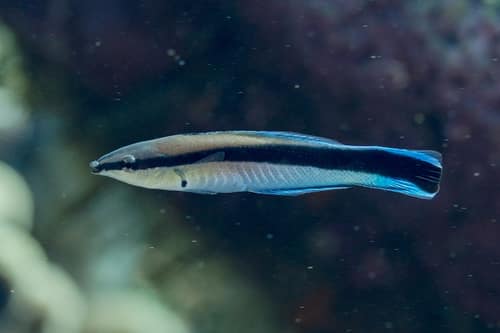
Symbiont Diego Delso / CC BY-SA 4.0 · cc-by-sa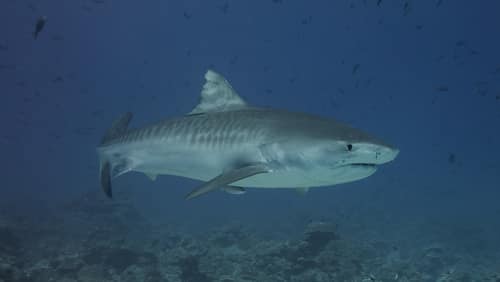
Predator (c) Kris-Mikael Krister, some rights reserved (CC BY) · cc-by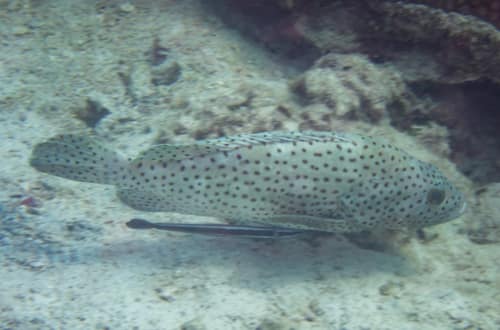
Symbiont (c) portioid, some rights reserved (CC BY) · cc-by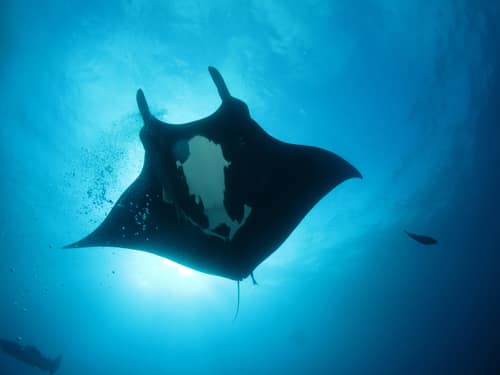
Close Relative (c) Stevelaycock21, some rights reserved (CC BY-SA) · cc-by-sa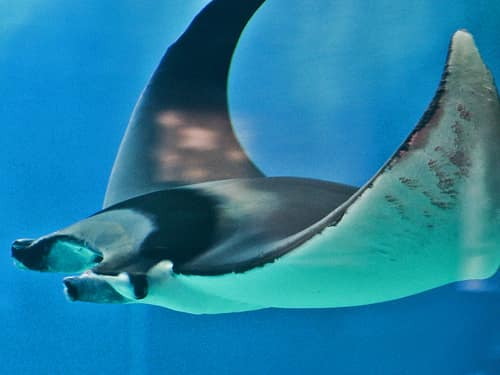
Close Relative Patrik Neckman from Stockholm, Sweden / CC BY-SA 2.0 · cc-by-sa
Help improve the field guideSomething wrong?
Checking your Fauna account…Report a name, category, or profile issue for review.