
Mammal · GBIF taxon 5219996
Southern Hairy-nosed Wombat
Lasiorhinus latifronsAlso known as Broad-nosed Wombat
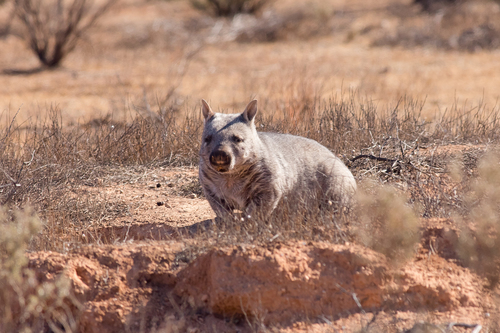
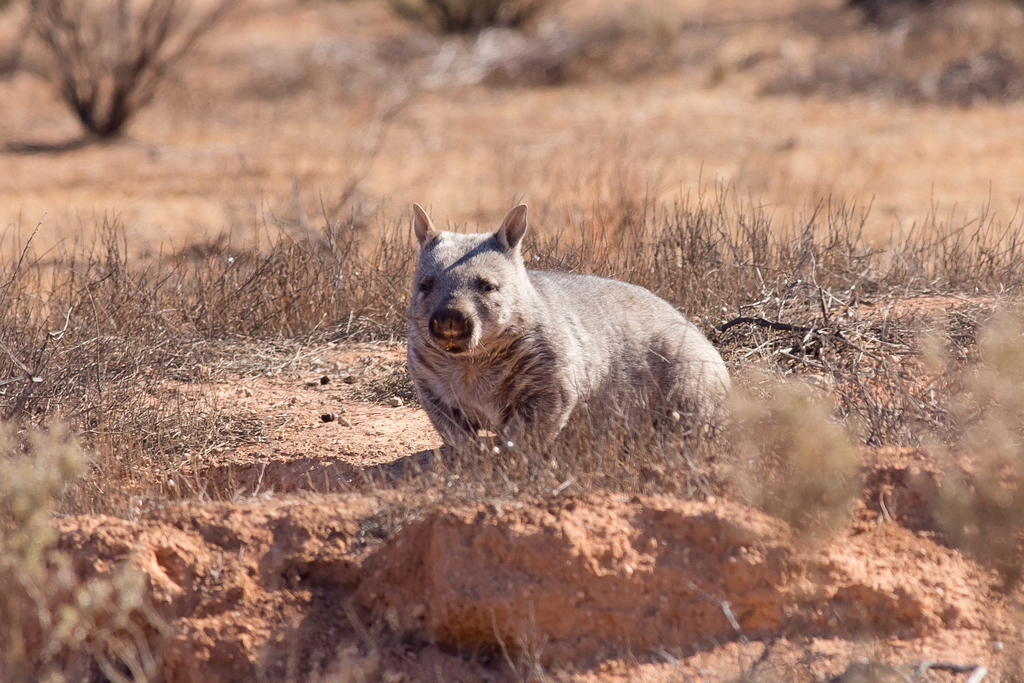
Southern hairy-nosed wombats excavate vast subterranean warrens that provide crucial thermal refuge against the blistering arid heat of inland southern Australia. Nocturnal grazers, they possess an exceptionally low metabolic rate and continuously growing incisors adapted to grinding tough, silica-rich native grasses. Multiple individuals often share overlapping tunnel complexes, communicating territory and social standing via distinctive cubic dung deposits outside burrow entrances.
NocturnalBurrowingMarsupial
—observations
—countries
—peak records
Near ThreatenedConservation statusIUCN Red List categoriesLCNTVUENCREWEXNear ThreatenedRed List categories, explained →
Diet & prey
- Spear Grass
- Bluebush
- Enchylaena Roots
Predators
- Dingo
- Red Fox
- Wedge-tailed Eagle
ThreatsSevere droughts, sarcoptic mange, habitat degradation, and vehicle strikes
HabitatsSemiarid scrubland, mallee woodland, and calcareous grassland
Life span14–20 years in the wild
Size / weightNot available
Classification
- FamilyVombatidae
- SpeciesLasiorhinus latifrons
Native
Interaction riskLow
- Low
- Moderate
- High
- Very high
- Why interaction risk is low
- Can bite or charge defensively if cornered; observe quietly from a respectful distance.
- Why it is dangerous
- Equipped with strong jaws, sharp incisors, and heavy claws that can cause deep puncture wounds if handled.
- How to recognize a risky encounter
- Recognizable by fine gray fur, long pointed ears, and a broad, hairy snout.
- What to do
- Maintain a generous viewing buffer and never corner an animal or obstruct burrow access.
- What to notice
- Look for visible skin crusting, lethargy, or patchy hair loss on affected animals.
- Support conservation
- Report sightings of mangy or distressed individuals to local wildlife rescue groups.
Responsible observation
- Dusk Viewing: Scan active warren mounds around sunset when individuals cautiously emerge to feed.
- Preserve Warrens: Avoid walking over burrow roofs, as collapses can trap animals underground.
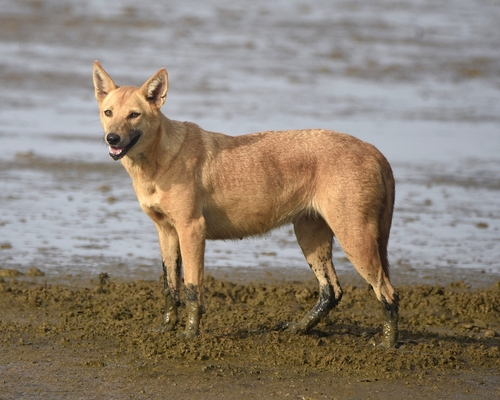
Predator (c) Afsar Nayakkan, some rights reserved (CC BY), uploaded by Afsar Nayakkan · cc-by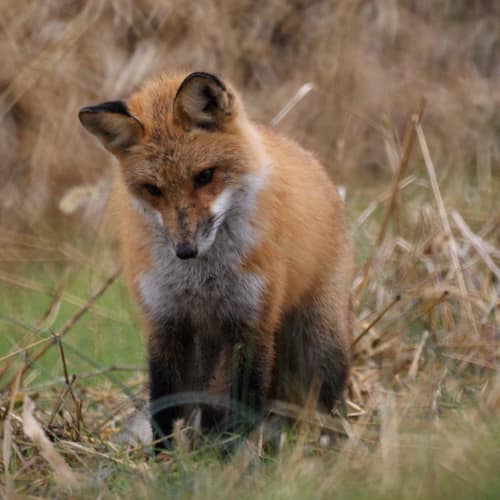
Predator "Red Fox" by Mike's Birds is licensed under CC BY-SA 2.0. To view a copy of this license, visit https://creativecommons.org/licenses/by-sa/2.0/. · cc-by-sa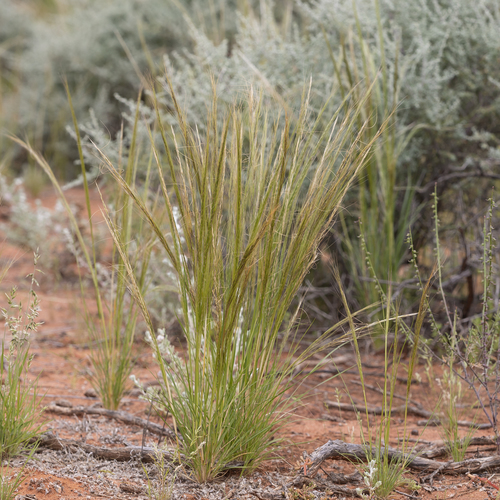
Food Plant (c) Kym Nicolson, some rights reserved (CC BY), uploaded by Kym Nicolson · cc-by Image unavailable
Close Relative 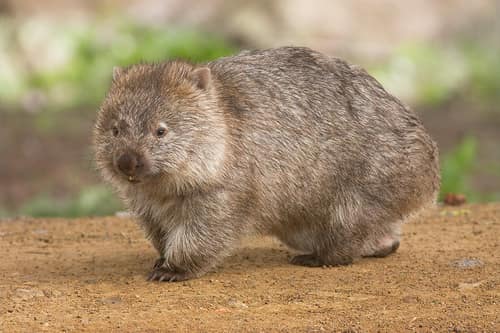
Close Relative "Common Wombat" by JJ Harrison is licensed under CC BY-SA 2.0. To view a copy of this license, visit https://creativecommons.org/licenses/by-sa/2.0/. · cc-by-sa
Help improve the field guideSomething wrong?
Checking your Fauna account…Report a name, category, or profile issue for review.