
Mammal · GBIF taxon 5219534
Chimpanzee
Pan troglodytesAlso known as Common Chimpanzee, Robust Chimpanzee
Chimpanzees live in complex fission-fusion communities where individuals form flexible foraging subgroups that reorganize throughout the day. Adults build fresh leaf and branch sleeping nests in the canopy each night, utilizing sophisticated tool-making skills to extract termites, crack hard nuts, and hunt small mammals. Vocalizations like the loud pant-hoot echo across the forest canopy, maintaining social cohesion over long distances.
SocialTool UserDiurnal
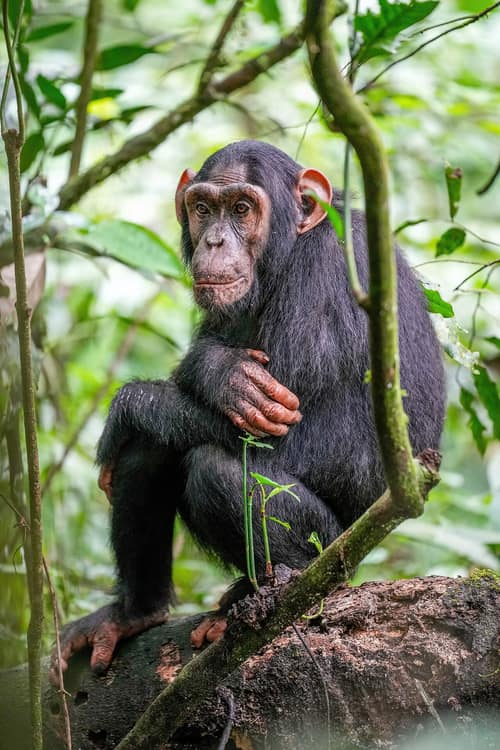
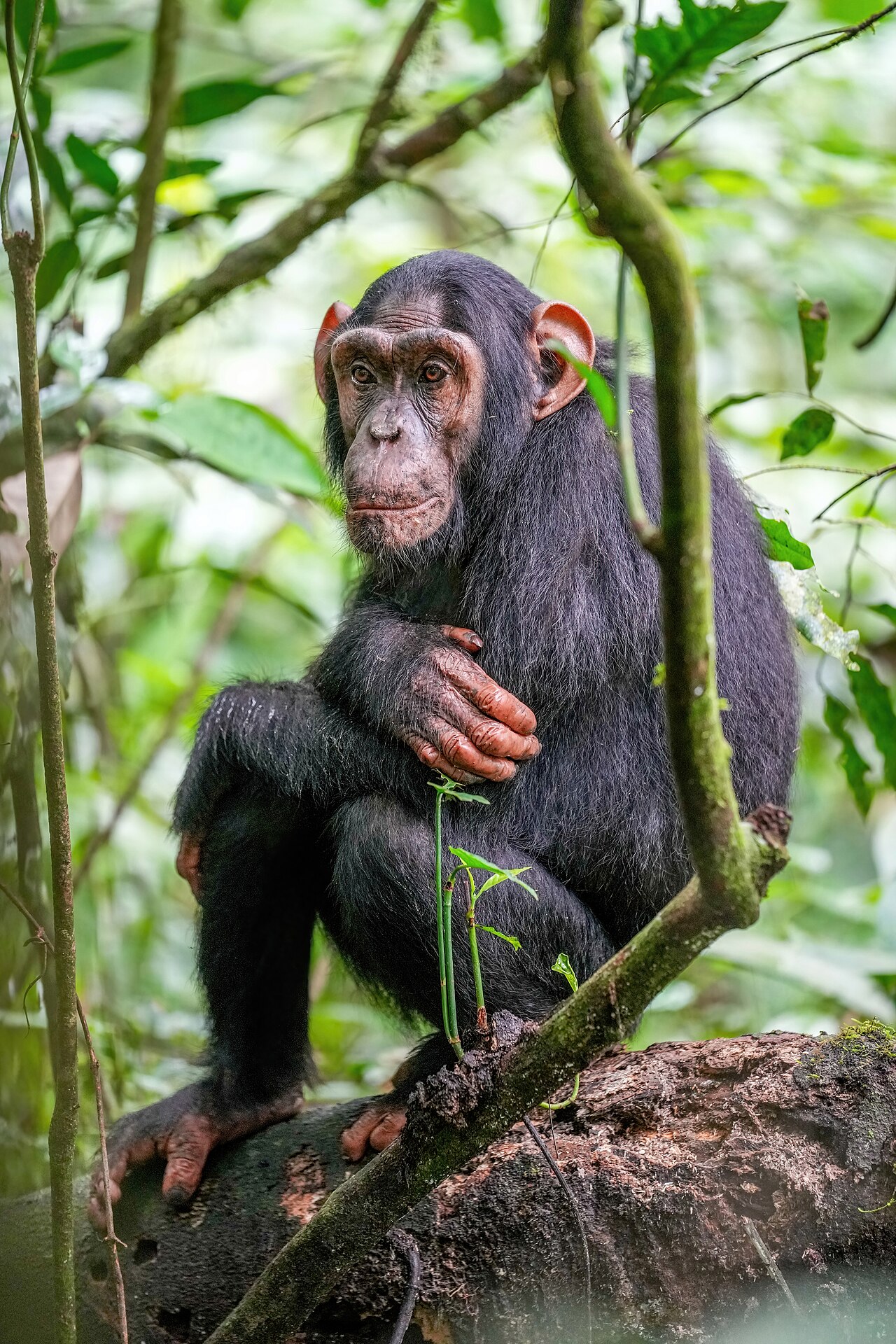
—observations
—countries
—peak records
EndangeredConservation statusIUCN Red List categoriesLCNTVUENCREWEXEndangeredRed List categories, explained →
Diet & prey
- Red colobus monkey
- Termites
- Figs
Predators
- Leopard
- Lion
- Human
ThreatsHabitat destruction, poaching, and infectious diseases
HabitatsRainforests, woodlands, and savanna mosaics
Life span30–40 years in the wild
Size / weightNot available
Classification
- OrderPrimates
- FamilyHominidae
- GenusPan
- SpeciesPan troglodytes
Native
Interaction riskHigh
- Low
- Moderate
- High
- Very high
- Why interaction risk is high
- Extremely powerful wild primates capable of severe attacks; maintain a safe distance and observe only with professional guides.
- Why it is dangerous
- Chimpanzees possess immense physical strength and sharp canines capable of inflicting severe or fatal lacerations during aggressive displays.
- How to recognize a risky encounter
- Look for a coarse black coat, dark bare face, prominent ears, and knuckle-walking posture on the ground.
- What to do
- Never approach, feed, or corner wild chimpanzees, and strictly obey park ranger instructions during guided treks.
- What to notice
- Large, highly vocal great apes traveling in dynamic social troops through dense forest and woodland mosaics.
- Support conservation
- Keep recommended distances, wear face masks near habituated groups, and refrain from sharing exact GPS locations.
Responsible observation
- Safe Distance: Maintain a distance of at least 7 to 10 meters to avoid triggering defensive aggression.
- Respectful Demeanor: Avoid direct eye contact and showing teeth, as chimpanzees view these as aggressive challenges.
- Health Safeguards: Never visit wild troops when ill, as human respiratory diseases easily transmit to apes.
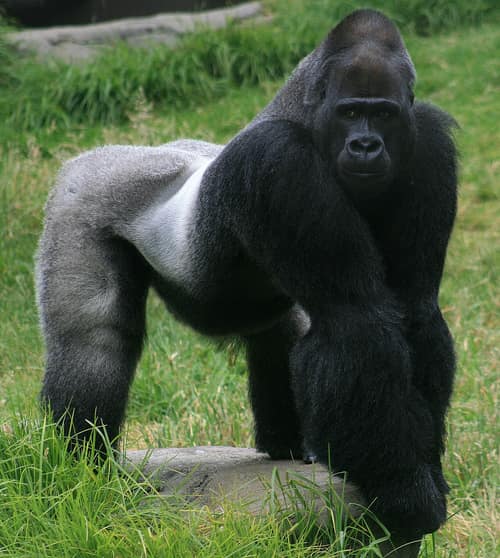
Frequent Companion Brocken Inaglory / CC BY-SA 3.0 · cc-by-sa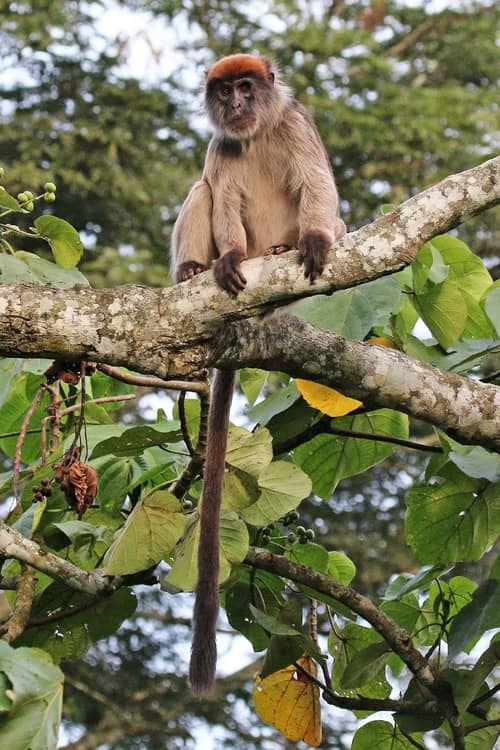
Prey Charles J. Sharp / CC BY-SA 4.0 · cc-by-sa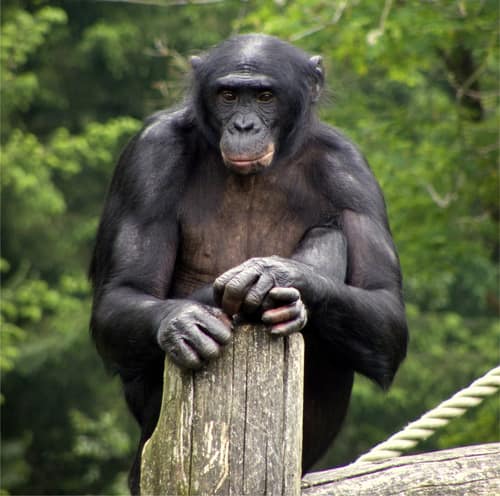
Close Relative natataek / CC BY-SA 3.0 · cc-by-sa
Close Relative no rights reserved, uploaded by Abhas Misraraj · cc0
Help improve the field guideSomething wrong?
Checking your Fauna account…Report a name, category, or profile issue for review.