
Insect · GBIF taxon 5124716
Atlas Moth
Attacus atlasAlso known as Snake's Head Moth
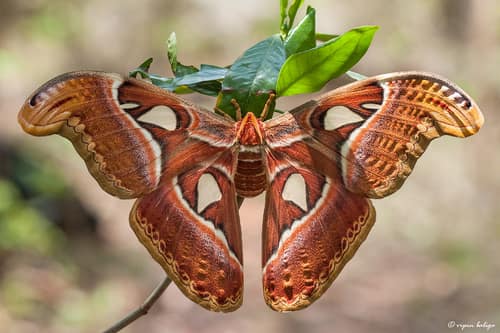
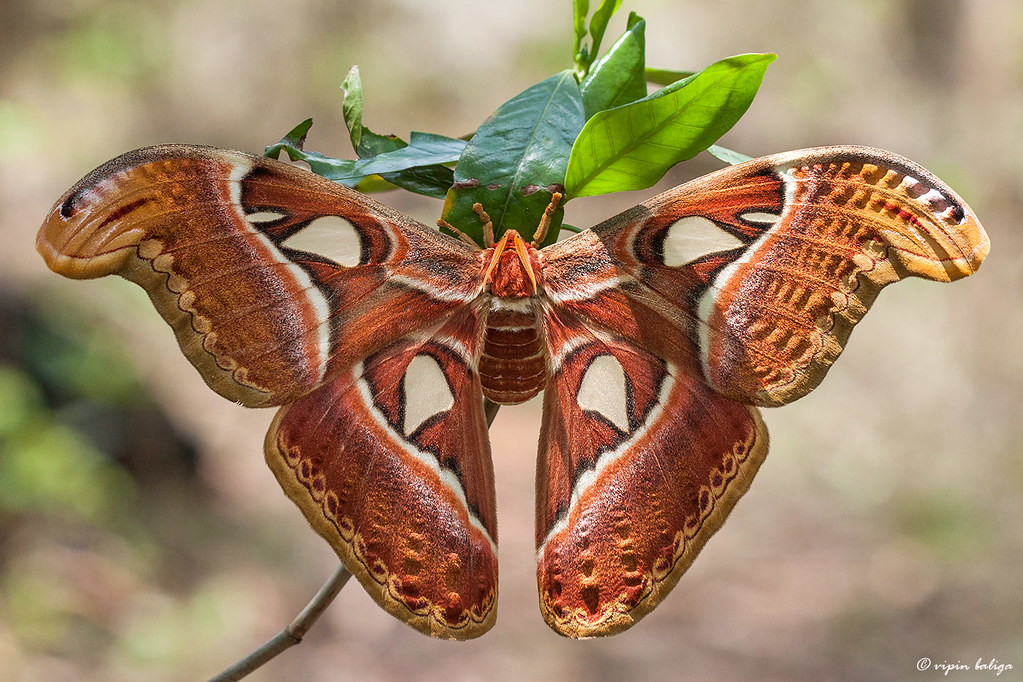
Atlas moths rank among the largest insects on Earth by total wing surface area, sporting intricate forewing tips that mimic snake heads to deter potential predators. Adults lack functional mouthparts, living for only one to two weeks on the fat reserves amassed during their voracious caterpillar stage. Females remain largely stationary, emitting potent pheromones that males detect from several kilometers away with sensitive, feathery antennae.
GiantNocturnalForest Dweller
—observations
—countries
—peak records
Not EvaluatedConservation statusIUCN Red List categoriesLCNTVUENCREWEXNot Evaluated — not placed on the risk ladderRed List categories, explained →
Diet & prey
- Adults do not feed; larvae consume tree foliage
Predators
- Insectivorous bats
- Birds
- Geckos
ThreatsHabitat loss from deforestation, pesticide runoff, specimen harvesting
HabitatsTropical and subtropical moist lowland forests, secondary forests
Life span1–2 weeks as adult (several months including egg, larva, and pupa stages)
Size / weightNot available
Classification
- OrderLepidoptera
- FamilySaturniidae
- GenusAttacus
- SpeciesAttacus atlas
Range data is not available yet.
Interaction riskLow
- Low
- Moderate
- High
- Very high
- Why interaction risk is low
- Safe to observe at a normal distance.
Responsible observation
- Night Observation: Look around outdoor lights and forest edges in the early hours before dawn.
- Do Not Touch: Avoid handling resting adults, as delicate wing scales brush off easily.
 Image unavailable
Same Family 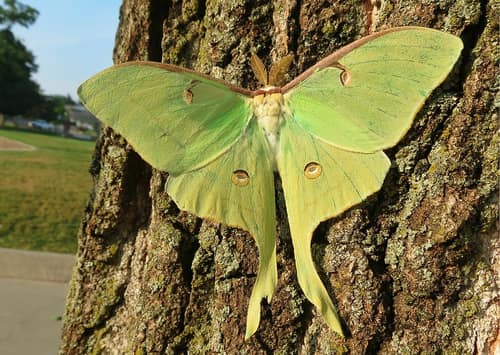
Same Family "Lovely luna moth at the Neosho National Fish Hatchery" by U.S. Fish and Wildlife Service - Midwest Region is licensed under CC BY 2.0. To view a copy of this license, visit https://creativecommons.org/licenses/by/2.0/. · cc-by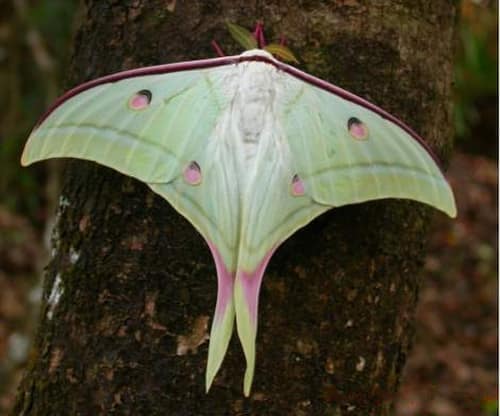
Same Family Sandilya Theuerkauf / CC BY-SA 2.5 · cc-by-saClose Relative
Keep collecting in Fauna
Found in Collections
Species set
Moonlight Marvels
Atlas Moth is found in this collection. Identify it in Fauna to fill this slot and continue your progress.
—/7
Help improve the field guideSomething wrong?
Checking your Fauna account…Report a name, category, or profile issue for review.