
Plant · GBIF taxon 3119175
Jerusalem Artichoke
Helianthus tuberosusAlso known as Sunroot, Sunchoke, Topinambur, Earth Apple
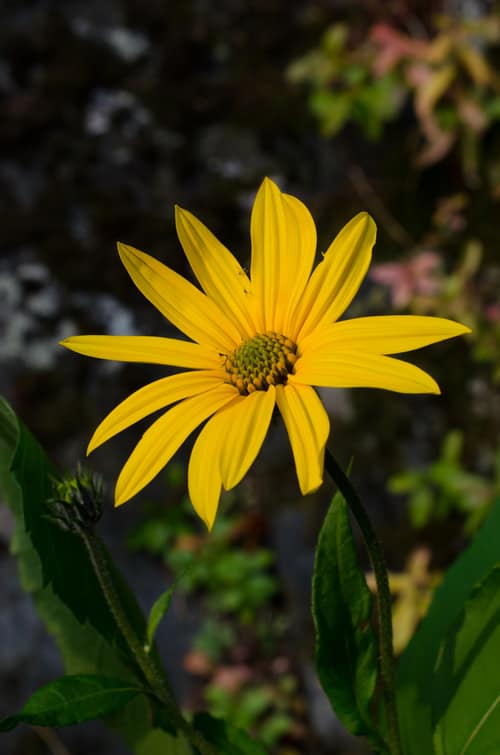
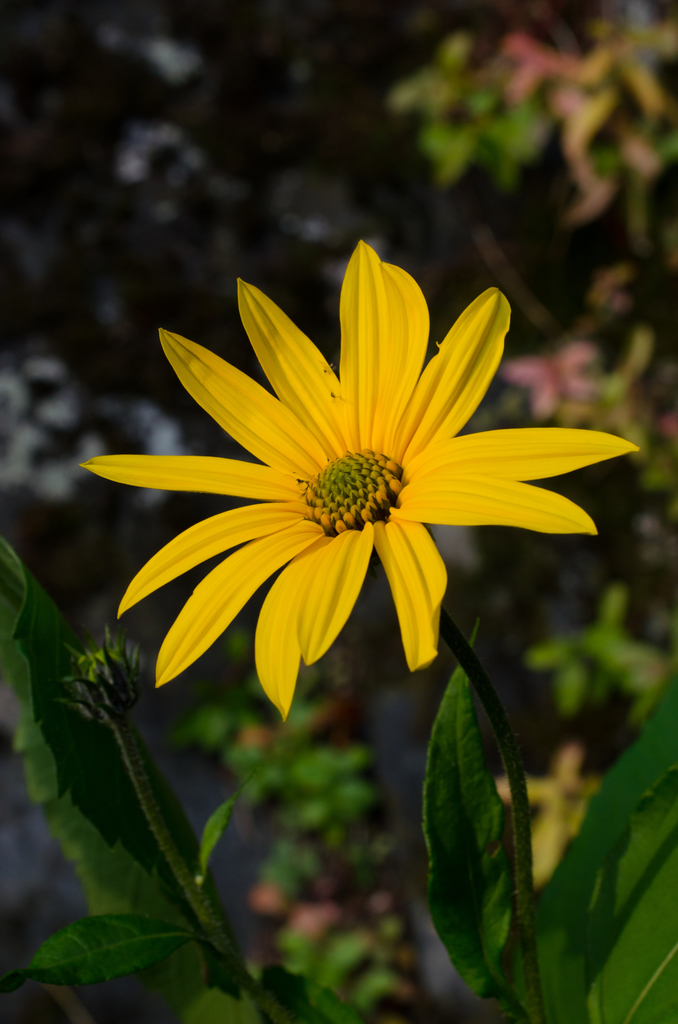
Jerusalem artichokes tower over fields and stream banks with thick, hairy stems topped by cheerful yellow blossoms in late summer. Underground, their fleshy tubers store carbohydrates as inulin, allowing vast clonal patches to persist through harsh winters. Indigenous North Americans cultivated these resilient perennials long before European arrival, spreading them along major river valleys.
PerennialFloweringNative
—observations
—countries
—peak records
Least ConcernConservation statusIUCN Red List categoriesLCNTVUENCREWEXLeast ConcernRed List categories, explained →
Diet & prey
- Autotrophic (Photosynthetic)
Predators
- White-tailed Deer
- Voles
- Wild Boar
ThreatsHerbicides, habitat destruction, and land development
HabitatsRiverbanks, moist meadows, roadsides, and agricultural edges
Life spanPerennial
Size / weightNot available
Classification
- OrderAsterales
- FamilyAsteraceae
- GenusHelianthus
- SpeciesHelianthus tuberosus
Range data is not available yet.
Interaction riskLow
- Low
- Moderate
- High
- Very high
- Why interaction risk is low
- Safe to observe at a normal distance.
Responsible observation
- Identification: Look for bright yellow daisy-like flower heads and rough sandpapery stems in late summer.
- Garden Management: Plant in bounded beds to control its vigorous tuberous spreading.
- Pollinator Observation: Watch for wild bees, butterflies, and hoverflies foraging on the autumn pollen.
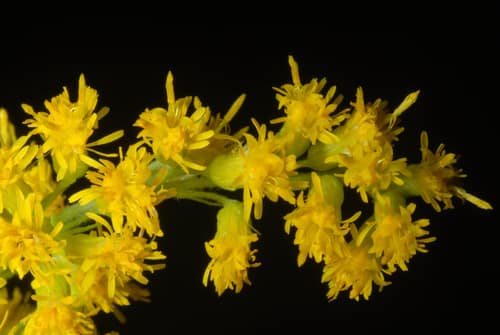
Frequent Companion (c) Douglas Goldman, some rights reserved (CC BY-SA), uploaded by Douglas Goldman · cc-by-sa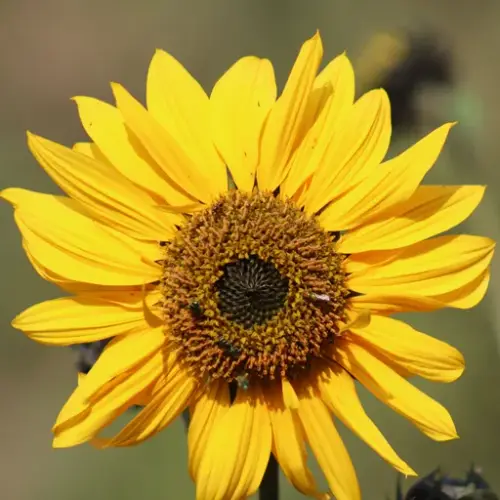
Close Relative Dr Photographer / PUBLIC DOMAIN · public domain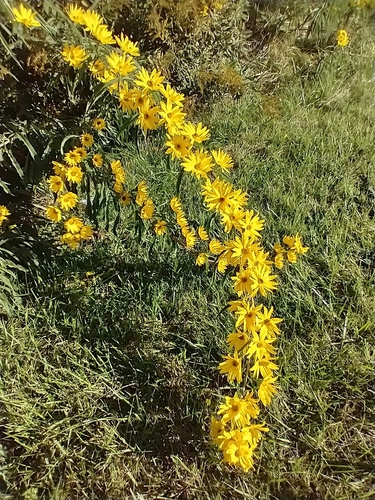
Close Relative (c) Tom Norton, some rights reserved (CC BY) · cc-by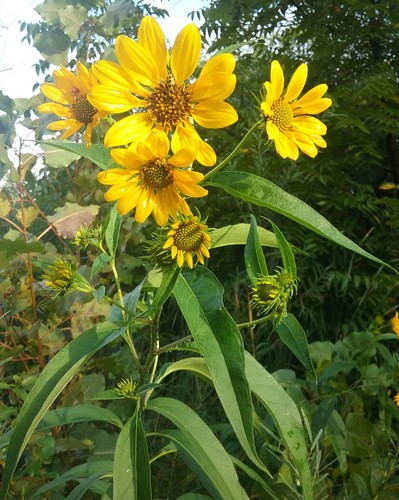
Close Relative no rights reserved, uploaded by Mary Crickmore · cc0
Keep collecting in Fauna
Found in Collections
Ecosystem chain Pro
Prairie Plains
Jerusalem Artichoke is found in this collection. Identify it in Fauna to fill this slot and continue your progress.
Unlock to track progress
Help improve the field guideSomething wrong?
Checking your Fauna account…Report a name, category, or profile issue for review.