
Mammal · GBIF taxon 2441205
Northern Giraffe
Giraffa camelopardalisAlso known as Three-horned Giraffe
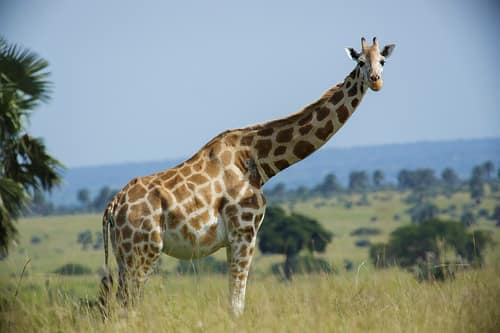
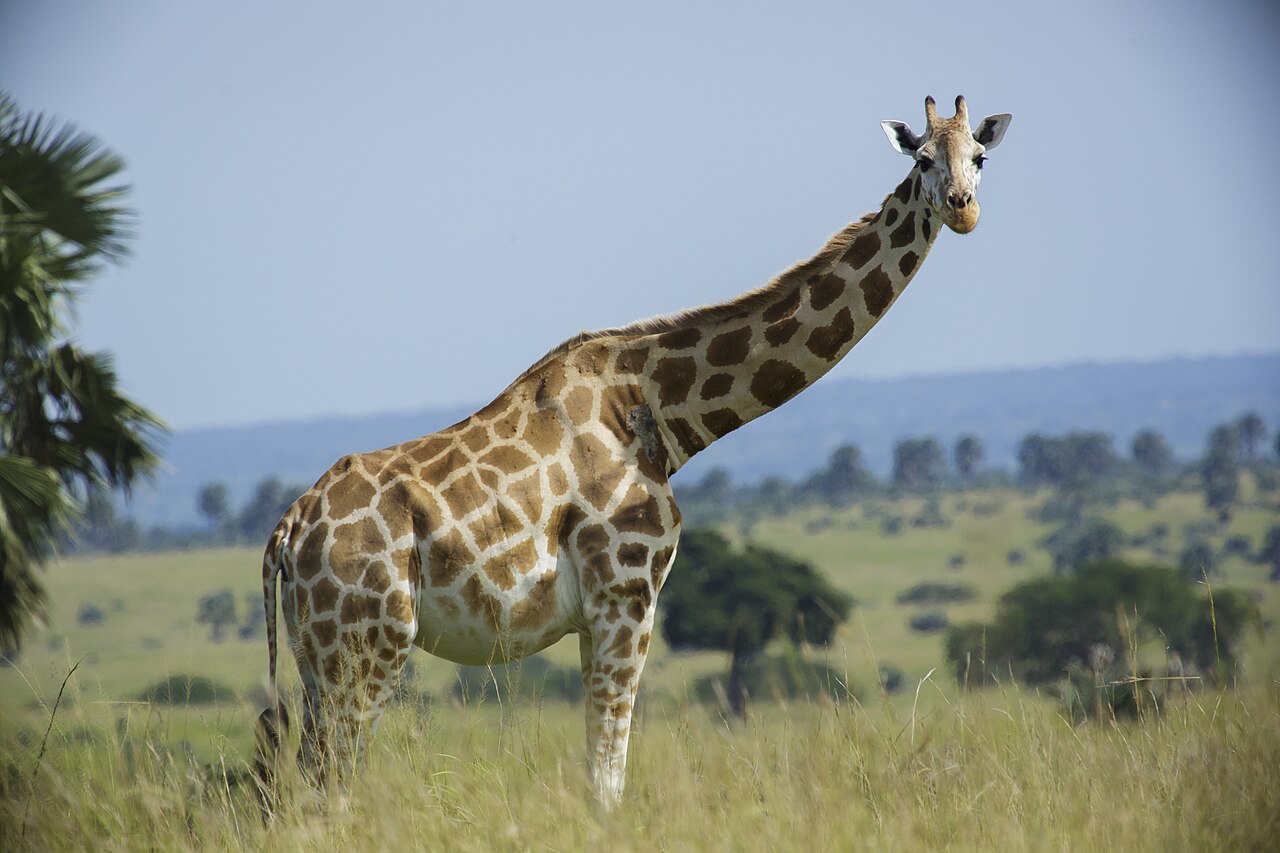
Northern giraffes roam fragmented woodlands and arid Sahelian scrub in loose, fission-fusion herds that constantly shift in membership. Adults spend up to eighteen hours a day browsing high canopy foliage with tough, 45-centimeter prehensile tongues that deftly navigate sharp acacia thorns. Mature bulls develop a prominent central bump on the forehead between their main horns, giving rise to their historical nickname as three-horned giraffes.
HerbivoreSavannahMammal
—observations
—countries
—peak records
VulnerableConservation statusIUCN Red List categoriesLCNTVUENCREWEXVulnerableRed List categories, explained →
Diet & prey
- Herbivore (primarily leaves, shoots, seeds, and pods of acacia, combretum, and other woody plants)
Predators
- Lion
- Spotted Hyena
- Leopard
ThreatsHabitat fragmentation, illegal hunting for bushmeat and skins, and civil conflict
HabitatsSavannahs, arid shrublands, and open riparian woodlands
Life span20–25 years in the wild; up to 28 years in captivity
Size / weightNot available
Classification
- OrderArtiodactyla
- FamilyGiraffidae
- GenusGiraffa
- SpeciesGiraffa camelopardalis
Native Introduced
Native range in olive; established introduced range in rust.
Interaction riskHigh
- Low
- Moderate
- High
- Very high
- Why interaction risk is high
- Towering size and powerful defensive kicks can be lethal; keep a safe distance, especially around calves.
- Why it is dangerous
- Large size and massive hooves can deliver bone-crushing kicks in any direction, capable of severely injuring or killing large predators and humans.
- How to recognize a risky encounter
- Look for extraordinary height, tan to chestnut irregular patches, and a prominent central bony bump on the forehead.
- What to do
- Never approach on foot, never corner an animal near waterholes, and give right of way on bush roads.
- What to notice
- Recognized by its towering neck, high sloping shoulders, and distinctive three-horned head profile.
- Support conservation
- Stay on marked safari tracks to protect fragile arid forage and minimize stress to nursing herds.
Responsible observation
- Distance: Remain inside your vehicle and stay at least 30 meters away to avoid provoking defensive kicks.
- Quiet Observation: Keep engine noise low and avoid sudden movements when animals lower their heads to drink.
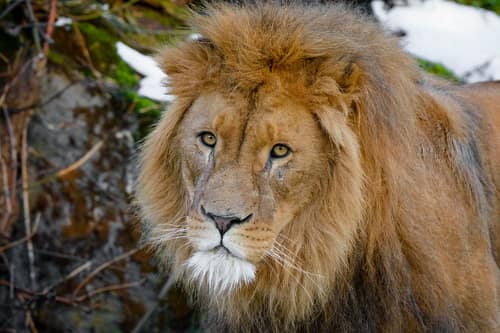
Predator "African Lion" by Mathias Appel is marked with CC0 1.0. To view the terms, visit https://creativecommons.org/publicdomain/zero/1.0/. · cc0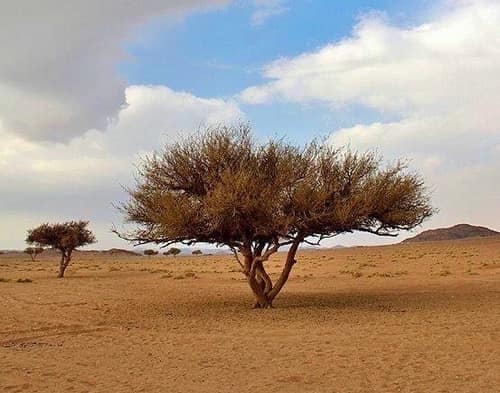
Food Plant (c) Rabah Al-Shammary, some rights reserved (CC BY), uploaded by Rabah Al-Shammary · cc-by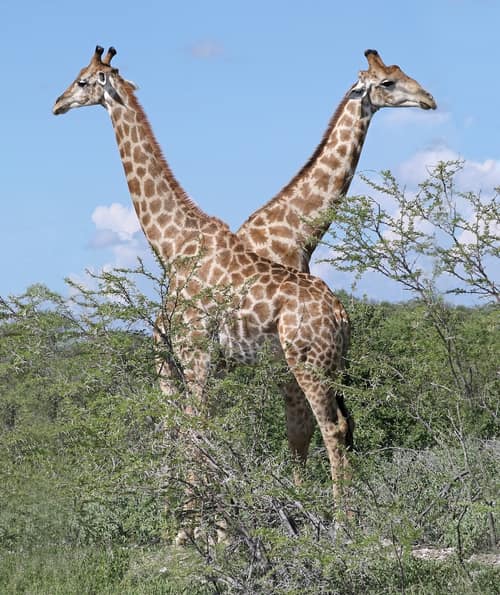
Close Relative Charles J. Sharp / CC BY-SA 4.0 · cc-by-sa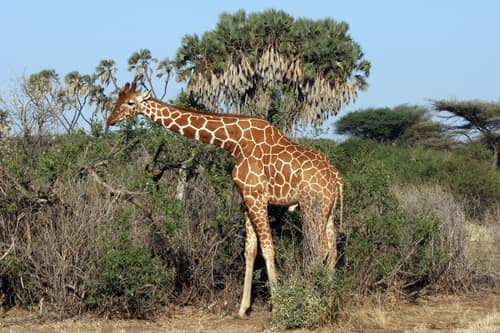
Close Relative (c) Michal Sloviak, some rights reserved (CC BY), uploaded by Michal Sloviak · cc-by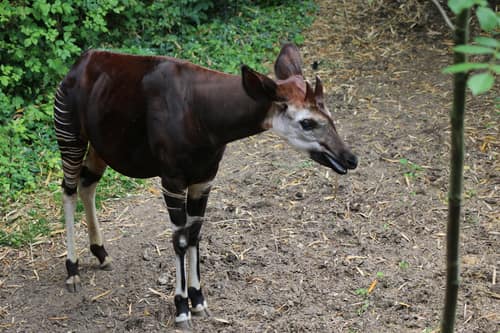
Same Family (c) Melvin TOULLEC, some rights reserved (CC BY-SA) · cc-by-sa
Keep collecting in Fauna
Found in Collections
Species set Pro
Safari Ranger
Northern Giraffe is found in this collection. Identify it in Fauna to fill this slot and continue your progress.
Unlock to track progress
Help improve the field guideSomething wrong?
Checking your Fauna account…Report a name, category, or profile issue for review.