
Mammal · GBIF taxon 2436705
White-tailed Jackrabbit
Lepus townsendiiAlso known as Prairie Hare, White Jack
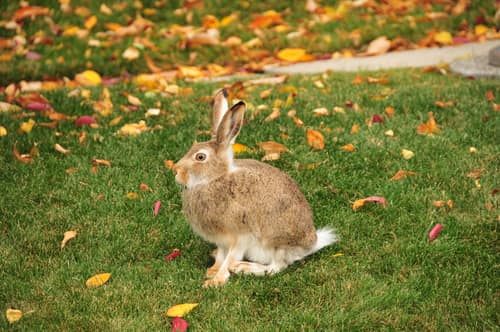
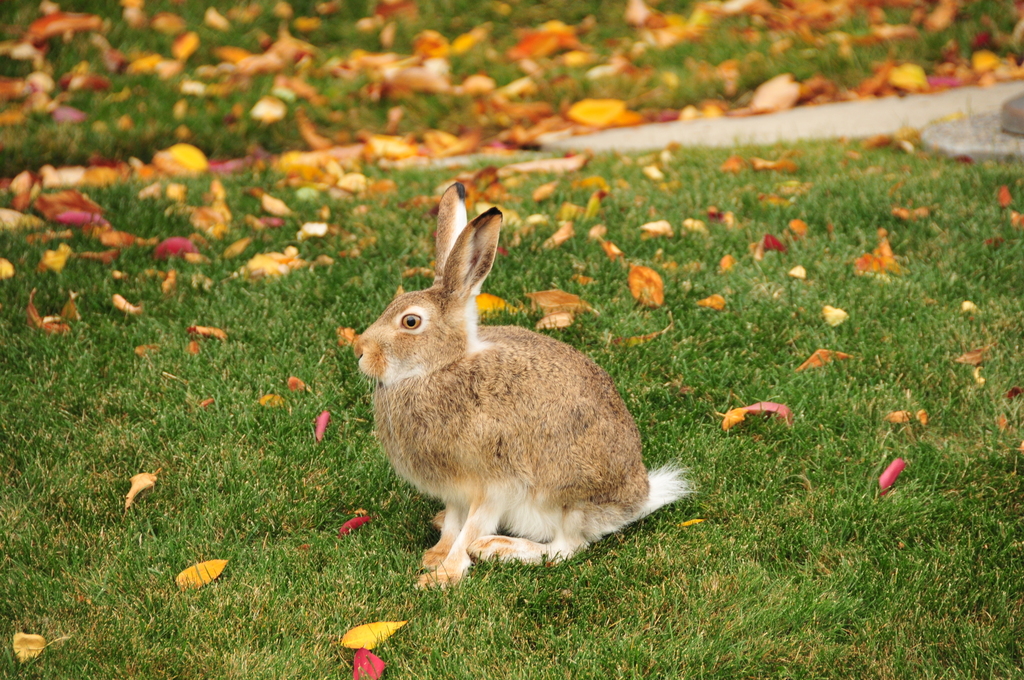
White-tailed jackrabbits are powerful, long-legged hares adapted to the vast open plains and sagebrush basins of North America. In northern parts of their range, their coat undergoes a dramatic seasonal shift, turning nearly pure white in winter to blend into snow-covered landscapes. Extremely fast runners, they can leap up to 5 meters in a single bound and reach speeds exceeding 50 km/h to evade predators.
SolitaryFast RunnerGrassland
—observations
—countries
—peak records
Least ConcernConservation statusIUCN Red List categoriesLCNTVUENCREWEXLeast ConcernRed List categories, explained →
Diet & prey
- Grasses, leaves, herbs, and woody shrubs in winter
Predators
- Coyote
- Golden Eagle
- Great Horned Owl
ThreatsAgricultural expansion, habitat conversion, and road mortality
HabitatsPrairies, sagebrush steppe, grassy meadows, and open fields
Life span3–8 years
Size / weightNot available
Classification
- OrderLagomorpha
- FamilyLeporidae
- GenusLepus
- SpeciesLepus townsendii
Range data is not available yet.
Interaction riskLow
- Low
- Moderate
- High
- Very high
- Why interaction risk is low
- Capable of scratching or biting if handled; keep a safe distance and do not corner.
Responsible observation
- Spotting Cues: Look for large black-tipped ears scanning open fields at dusk or dawn.
- Safe Viewing: Observe from a vehicle or keep distance to avoid flushing them from forms.
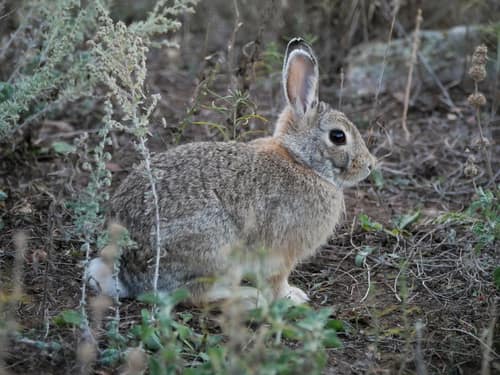
Ecological Neighbor (c) ayden, some rights reserved (CC BY), uploaded by ayden · cc-by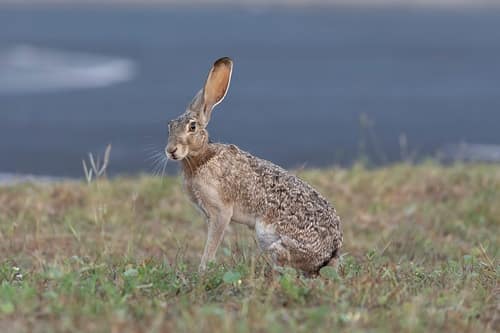
Close Relative Chuck Homler d/b/a Focus On Wildlife / CC BY-SA 4.0 · cc-by-sa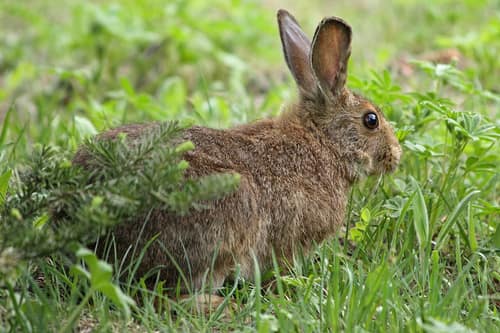
Close Relative Lepus_americanus_5459.JPG: Walter Siegmund (talk) derivative work: Wsiegmund / CC BY-SA 3.0 · cc-by-sa
Keep collecting in Fauna
Found in Collections
Ecosystem chain Pro
Mystic Meadows
White-tailed Jackrabbit is found in this collection. Identify it in Fauna to fill this slot and continue your progress.
Unlock to track progress
Help improve the field guideSomething wrong?
Checking your Fauna account…Report a name, category, or profile issue for review.