
Mammal · GBIF taxon 2435066
Jungle Cat
Felis chausAlso known as Reed Cat, Swamp Cat
Jungle cats excel at hunting in dense wetlands, leaping high into the air to snag low-flying waterfowl and flushed birds. Long legs, short tails, and small reddish ear tufts give these slender felids a distinctive appearance despite their close genetic ties to domestic cats. Though widely distributed from the Mediterranean to Southeast Asia, expanding agriculture and wetland draining continually fragment their prime riverbank territories.
Wetland HabitatSolitaryAgile Hunter
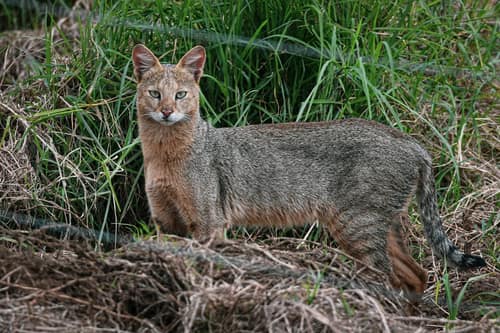
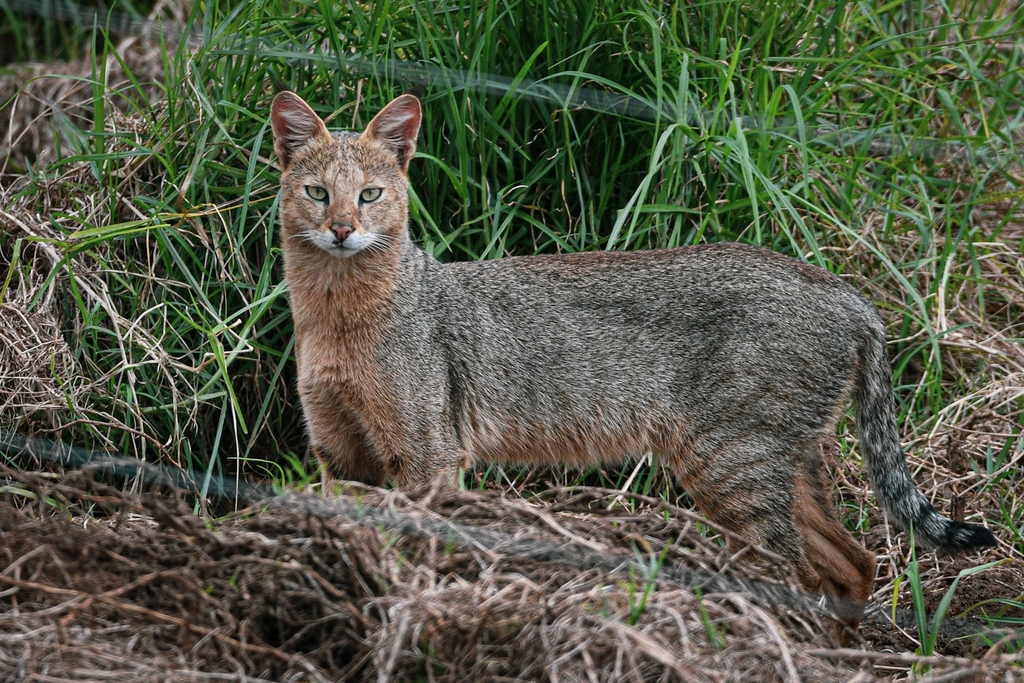 1 / 7
1 / 7—observations
—countries
—peak records
Least ConcernConservation statusIUCN Red List categoriesLCNTVUENCREWEXLeast ConcernRed List categories, explained →
Diet & prey
- Rodents
- Waterfowl
- Frogs
Predators
- Leopard
- Golden Jackal
- Large Raptors
ThreatsWetland drainage, agricultural expansion, trapping, poisoning
HabitatsWetlands, reed beds, swamps, riverbanks, agricultural fields
Life span10–14 years
Size / weightNot available
Classification
- FamilyFelidae
- SpeciesFelis chaus
Native
Interaction riskLow
- Low
- Moderate
- High
- Very high
- Why interaction risk is low
- Capable of inflicting severe bites or scratches if cornered; observe quietly from a distance.
Responsible observation
- Wetland Scanning: Scan dense reed beds and tall grass along riverbanks where these cats quietly hunt.
- Quiet Observation: Avoid sudden movements or loud noises, as jungle cats quickly retreat when disturbed.
- Crepuscular Viewing: Search during early morning and late afternoon when hunting activity peaks.
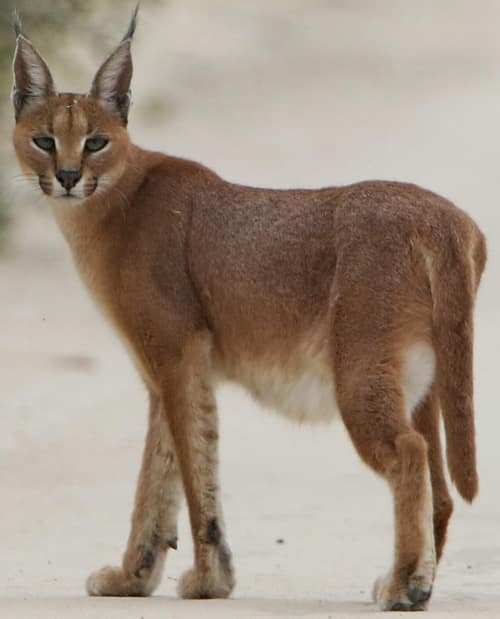
Co-occurring Predator Derek Keats / CC BY 2.0 · cc-by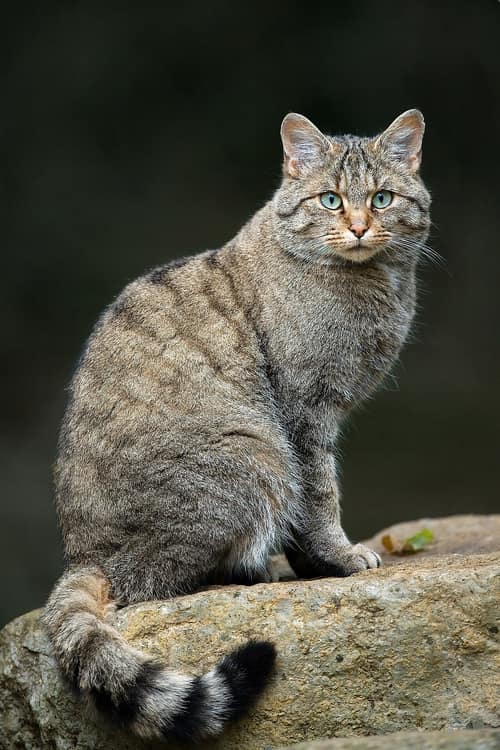
Close Relative Lviatour / CC BY-SA 3.0 · cc-by-sa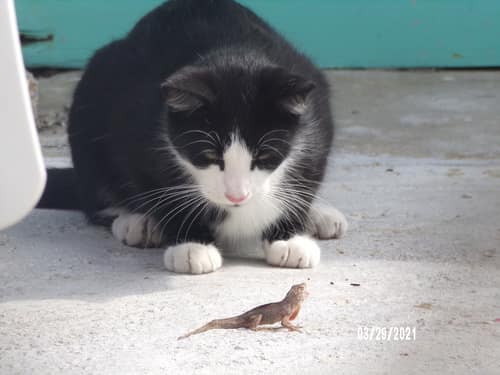
Close Relative (c) chloe ⋆˚꩜。, some rights reserved (CC BY-SA) · cc-by-sa
Help improve the field guideSomething wrong?
Checking your Fauna account…Report a name, category, or profile issue for review.