
Mammal · GBIF taxon 2434317
Dhole
Cuon alpinusAlso known as Asian Wild Dog, Asiatic Wild Dog, Red Dog, Indian Wild Dog
Dholes are highly social canids that live in tight-knit clans of up to forty individuals, cooperating seamlessly during daylight hunts to bring down prey many times their own weight. Instead of howling like wolves, they communicate using an extraordinary repertoire of bird-like whistles, clucks, and whimpers that keep the pack synchronized through dense jungle foliage. Unlike many other social carnivores where dominant pairs fight over food, dholes prioritize feeding pups and juveniles first at fresh kills.
Pack HunterSocial
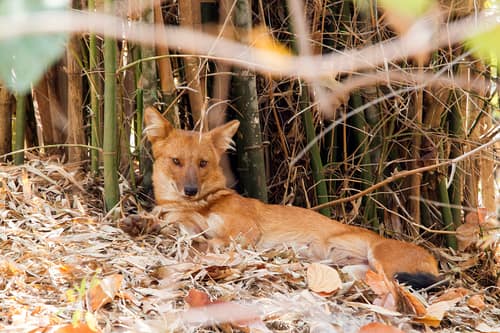
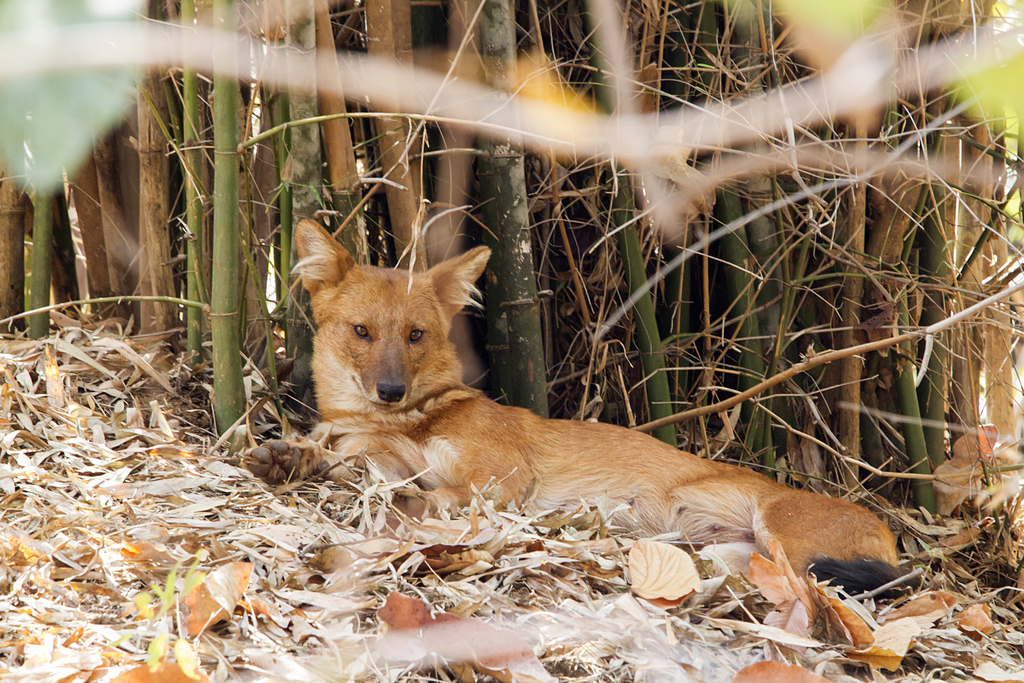 1 / 7
1 / 7—observations
—countries
—peak records
EndangeredConservation statusIUCN Red List categoriesLCNTVUENCREWEXEndangeredRed List categories, explained →
Diet & prey
- Chital
- Sambar
- Wild Boar
Predators
- Tiger
- Leopard
ThreatsHabitat loss, depletion of ungulate prey base, persecution, and diseases from domestic dogs
HabitatsDense forests, scrublands, moist deciduous woods, and alpine grasslands
Life span10–13 years
Size / weightNot available
Classification
- FamilyCanidae
- SpeciesCuon alpinus
Range data is not available yet.
Interaction riskModerate
- Low
- Moderate
- High
- Very high
- Why interaction risk is moderate
- Powerful wild canids capable of inflicting severe bites; observe only from inside safari vehicles at a distance.
- Why it is dangerous
- Equipped with strong jaws and specialized shear-like shearing carnassials capable of inflicting deep puncture wounds and tearing bites.
- How to recognize a risky encounter
- Distinguished by an amber-red coat, dark bushy tail, rounded ear tips, and a distinctive convex facial profile.
- What to do
- Stay inside enclosed vehicles during sightings and immediately retreat slowly if encountered on foot.
- What to notice
- Recognized by their russet pelage, black-tipped brush tail, and echoing high-pitched whistling calls in tropical forests.
- Support conservation
- Keep safari vehicles on designated roads, minimize noise near active dens, and report any limping or sick animals to reserve staff.
Responsible observation
- Safari Viewing: Observe packs strictly from inside guided safari vehicles within protected wildlife reserves.
- Listen Carefully: Whistling contact calls frequently reveal moving clans long before they emerge from dense cover.
- Respect Kills: Never approach feeding packs on foot, as protecting fresh meat triggers defensive attacks.
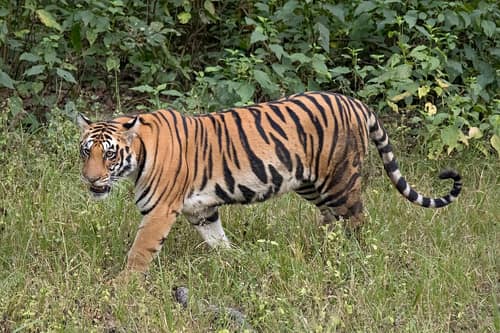
Competitor Charles J. Sharp / CC BY-SA 4.0 · cc-by-sa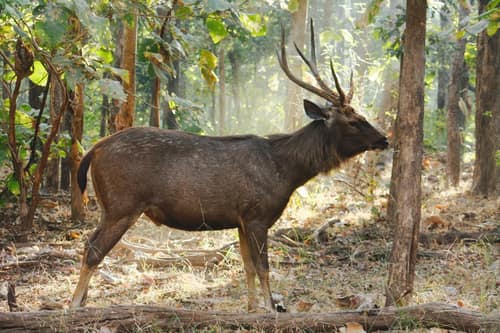
Prey (c) Rashityagi, some rights reserved (CC BY-SA) · cc-by-sa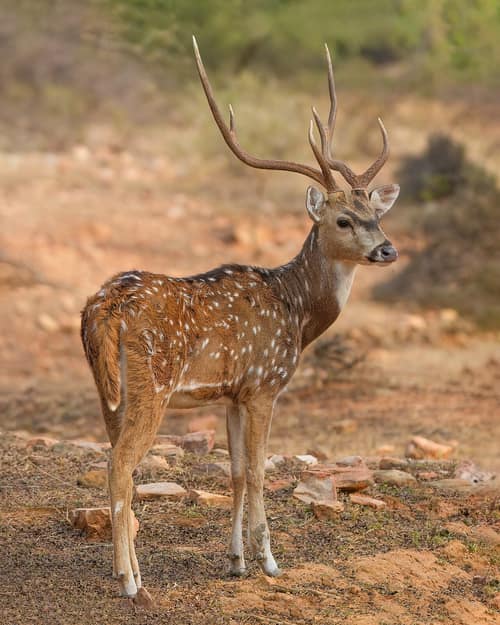
Prey Giles Laurent / CC BY-SA 4.0 · cc-by-sa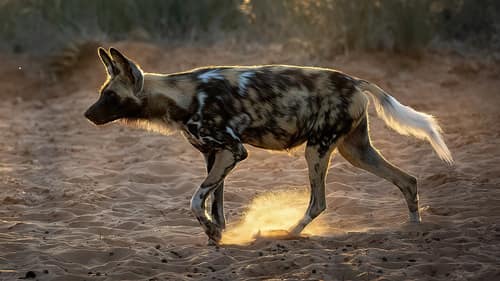
Ecological Counterpart AfricanConservation / CC BY-SA 4.0 · cc-by-sa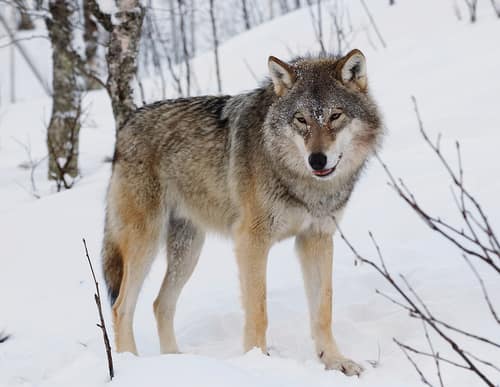
Same Family User:Mas3cf / CC BY-SA 4.0 · cc-by-sa
Help improve the field guideSomething wrong?
Checking your Fauna account…Report a name, category, or profile issue for review.