
Mammal · GBIF taxon 2433736
Southern River Otter
Lontra provocaxAlso known as Huillín, South American River Otter, Patagonian River Otter
Southern river otters are secretive semi-aquatic carnivores native to the temperate rainforests, rivers, and coastal fjords of southern Chile and Argentina. They spend their days patrolling complex shoreline networks, relying on dense riparian vegetation and root cavities to conceal their dens and rest sites. Primarily nocturnal and crepuscular, they dive into cold Patagonian waters to forage using sensitive vibrissae to detect bottom-dwelling prey in murky currents.
Semi-AquaticNocturnal
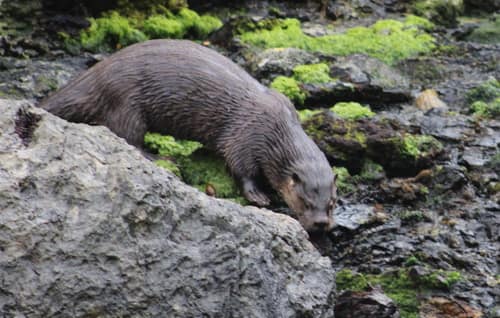
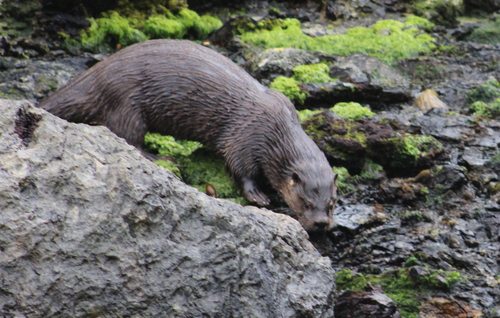
—observations
—countries
—peak records
EndangeredConservation statusIUCN Red List categoriesLCNTVUENCREWEXEndangeredRed List categories, explained →
Diet & prey
- Freshwater Crab
- Galaxiid Fish
- Freshwater Crayfish
Predators
- Puma
- Domestic Dog
- Killer Whale
ThreatsHabitat fragmentation, deforestation, dam construction, pollution, and introduced species competition
HabitatsFreshwater rivers, lakes, forested riparian corridors, and marine coastal fjords
Life span10–12 years in the wild
Size / weightNot available
Classification
- FamilyMustelidae
- SpeciesLontra provocax
Native
Interaction riskLow
- Low
- Moderate
- High
- Very high
- Why interaction risk is low
- Can deliver a sharp defensive bite if cornered; observe quietly from a distance.
- Why it is dangerous
- Possesses powerful jaws and sharp teeth that can inflict deep puncture wounds if cornered or restrained.
- How to recognize a risky encounter
- Look for a sleek, dark brown mustelid with a pale throat patch and a thick, tapered tail swimming low in the water.
- What to do
- Never attempt to approach, corner, or handle wild individuals, especially when trapped in shoreline brush or fishing gear.
- What to notice
- Distinguished from the marine otter by its larger overall size, distinctly paler underside, and preference for calm freshwater channels.
- Support conservation
- Keep non-motorized watercraft at least 50 meters away and avoid disturbing dense root tangles along riverbanks.
Responsible observation
- Riparian Vigilance: Scan slow-moving river pools and dense vegetated banks early in the morning for low-profile ripples.
- Sign Tracking: Search for distinctive sprainting latrines on shoreline boulders and fallen logs rather than pursuing live sightings.
- Shoreline Care: Keep domestic dogs leashed near Patagonian waterways to prevent lethal attacks and pathogen spread.
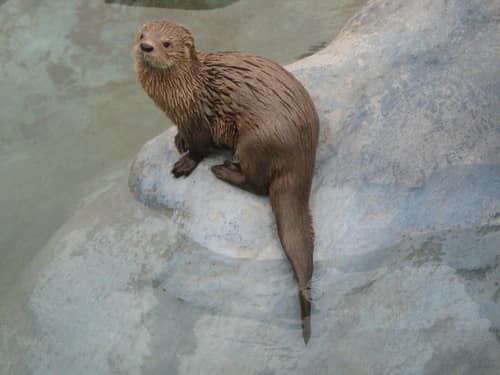
Same Genus (c) Sakura1994, some rights reserved (CC BY-SA) · cc-by-sa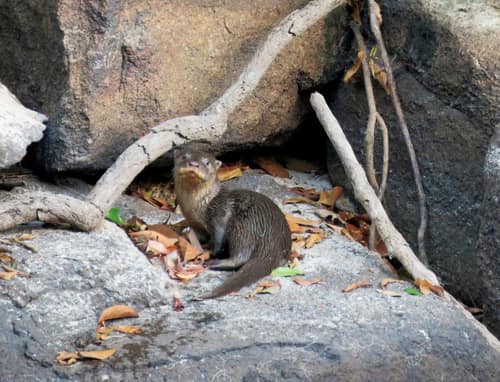
Same Genus (c) Sidnei Dantas, some rights reserved (CC BY-SA), uploaded by Sidnei Dantas · cc-by-sa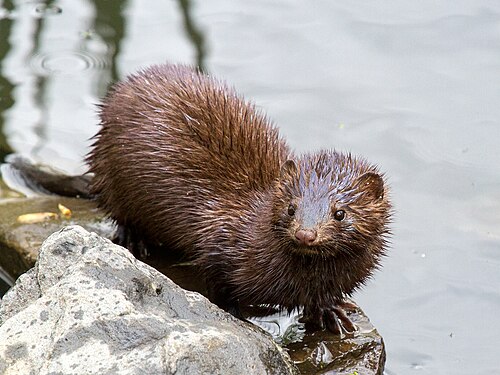
Competitor Needsmoreritalin / CC BY-SA 3.0 · cc-by-sa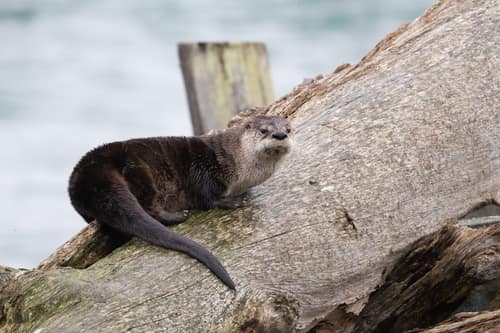
Same Genus no rights reserved, uploaded by Adam Jackson · cc0
Help improve the field guideSomething wrong?
Checking your Fauna account…Report a name, category, or profile issue for review.