
Fish · GBIF taxon 2419210
Atlantic Pygmy Devil Ray
Mobula hypostomaAlso known as Lesser Devil Ray, West Atlantic Pygmy Devil Ray
Atlantic pygmy devil rays glide gracefully through warm coastal waters and open ocean shallows, using their paddle-like cephalic fins to funnel plankton into their subterminal mouths. They are famous for their acrobatic breaches, launching completely clear of the surface either individually or in synchronous loose schools. Like other mobulids, they reproduce slowly via aplacental viviparity, typically giving birth to a single pup after an extended gestation.
MarinePlanktivoreAcrobatic
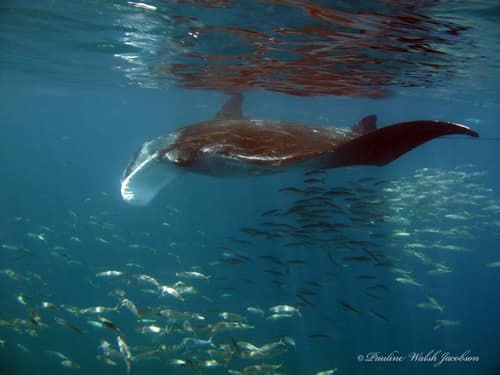
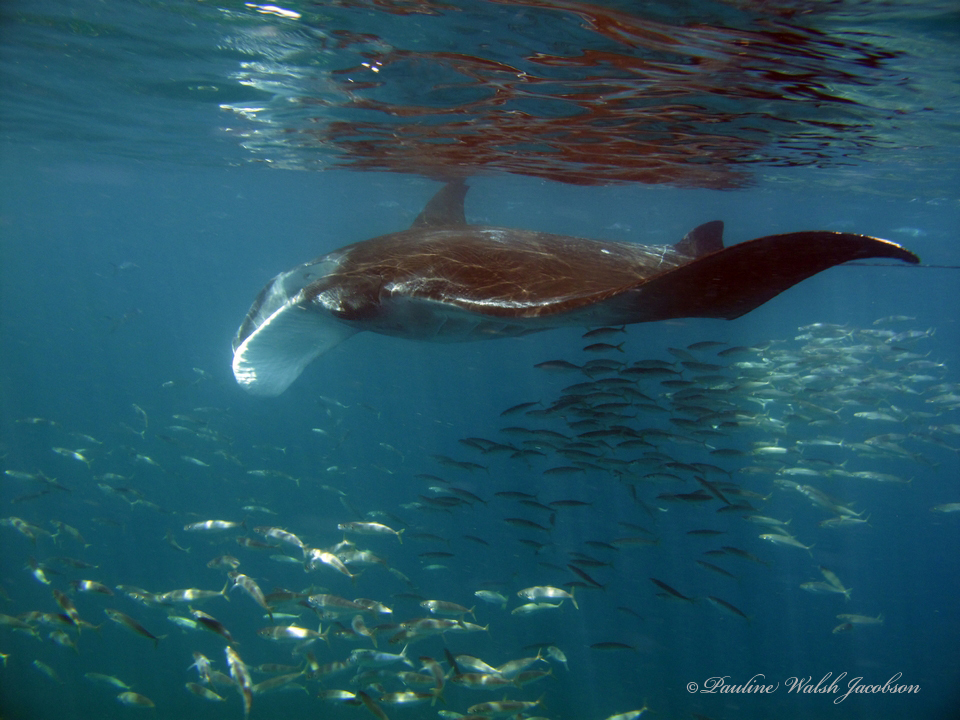
—observations
—countries
—peak records
EndangeredConservation statusIUCN Red List categoriesLCNTVUENCREWEXEndangeredRed List categories, explained →
Diet & prey
- Mysid Shrimp
- Copepods
- Fish Larvae
Predators
- Tiger Shark
- Great Hammerhead
- Bull Shark
ThreatsBycatch in gillnets and trawls, targeted fishing, and habitat loss
HabitatsCoastal shallow waters, pelagic shelf waters, and bays
Life span12–20 years
Size / weightNot available
Classification
- FamilyMyliobatidae
- SpeciesMobula hypostoma
Range data is not available yet.
Interaction riskLow
- Low
- Moderate
- High
- Very high
- Why interaction risk is low
- Safe to observe at a normal distance.
- What to notice
- Look for a dark grey-to-black diamond disc, white underside, and prominent rolled horn-like head fins under 1.2 meters wide.
- Support conservation
- Observe from a passive distance without pursuing or encircling them, allowing them clear swimming paths.
Responsible observation
- Distance: Maintain a respectful distance of several meters while diving or snorkeling to avoid interrupting feeding or schooling behavior.
- Boating Awareness: Slow vessel speeds in shallow coastal bays where rays often bask near the surface.
- No-Touch Etiquette: Never chase, touch, or attempt to ride these gentle and vulnerable animals.
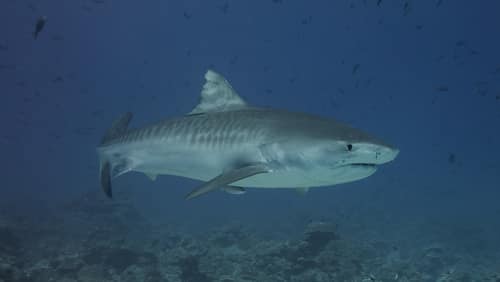
Predator (c) Kris-Mikael Krister, some rights reserved (CC BY) · cc-by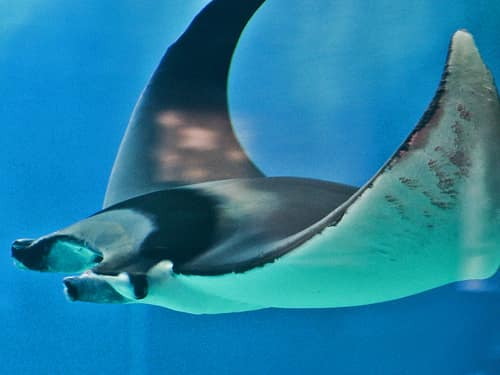
Close Relative Patrik Neckman from Stockholm, Sweden / CC BY-SA 2.0 · cc-by-sa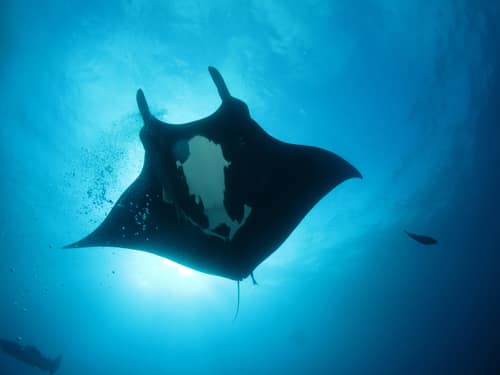
Same Family (c) Stevelaycock21, some rights reserved (CC BY-SA) · cc-by-sa
Help improve the field guideSomething wrong?
Checking your Fauna account…Report a name, category, or profile issue for review.