
Fish · GBIF taxon 2417522
Whale Shark
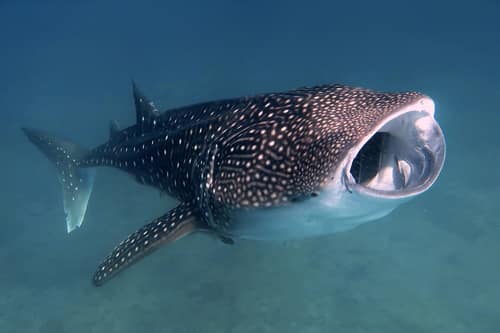
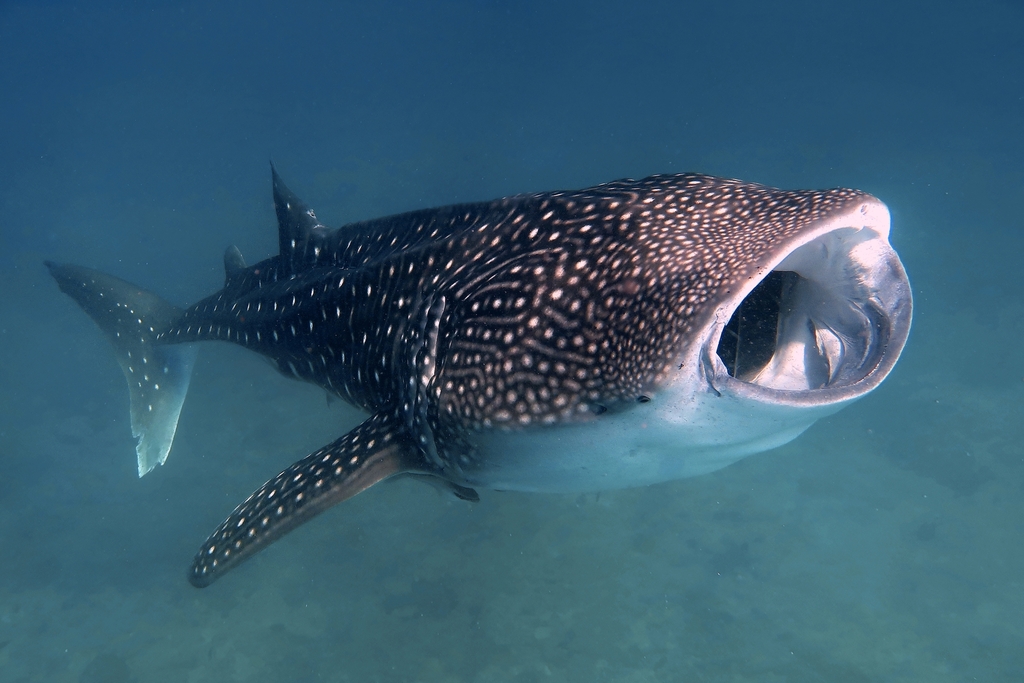
Rhincodon typusWhale sharks cruise warm tropical oceans with their massive mouths agape, filtering thousands of liters of seawater per hour to sift out tiny plankton and schooling fish. Each individual carries an entirely unique constellation of pale white spots and stripes across its dark grey skin, allowing researchers to track individuals worldwide using photographic identification. Though these gentle giants undertake vast migrations across entire ocean basins, they regularly gather in coastal shallows to gorge on synchronized fish and coral spawning events.
Filter FeederMarineGiant
 1 / 7
1 / 7—observations
—countries
—peak records
EndangeredConservation statusIUCN Red List categoriesLCNTVUENCREWEXEndangeredRed List categories, explained →
Diet & prey
- Krill
- Sardines
- Anchovies
Predators
- Killer Whale
- Great White Shark
- Tiger Shark
ThreatsVessel strikes, fisheries bycatch, targeted harpooning, and ocean pollution
HabitatsTropical and warm-temperate open oceans and coastal lagoons
Life span80–130 years
Size / weightNot available
Classification
- OrderOrectolobiformes
- FamilyRhincodontidae
- GenusRhincodon
- SpeciesRhincodon typus
Range data is not available yet.
Interaction riskHigh
- Low
- Moderate
- High
- Very high
- Why interaction risk is high
- Docile filter feeder, but powerful tail fin can cause serious injury; maintain at least three meters distance.
- Why it is dangerous
- While non-aggressive and lacking sharp teeth, their sheer bulk and forceful caudal fin sweeps can inadvertently crush or stun divers.
- How to recognize a risky encounter
- Recognized by an enormous broad flat head, terminal mouth, and distinct dark blue-grey skin dotted with cream-colored spots.
- What to do
- Give the shark plenty of space to maneuver, never swim in its direct path, and do not corner it against reefs or boats.
- What to notice
- A colossal mottled fish swimming slowly near the surface with its wide terminal mouth agape.
- Support conservation
- Book only certified ecotourism operators that enforce strict distance regulations and group-size caps around the animals.
Responsible observation
- Distance Protocol: Maintain a minimum buffer of three meters from the head and four meters from the tail.
- No-Touch Rule: Never touch, ride, or herd sharks, which can cause severe stress and strip protective mucus.
- Eco-Friendly Snorkeling: Refrain from using flash photography or motorized underwater scooters near sharks.
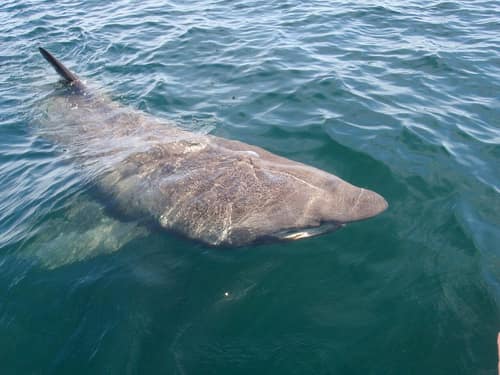
Ecological Counterpart rossbeane / CC BY-SA 2.0 · CC BY-SA 2.0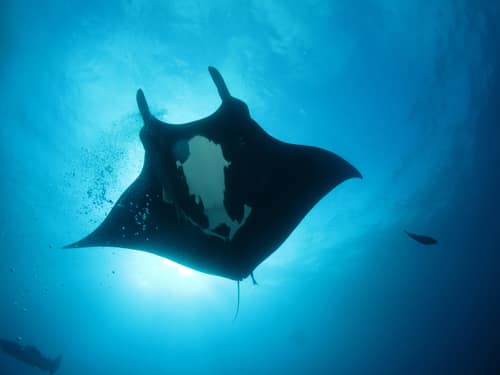
Feeding Companion (c) Stevelaycock21, some rights reserved (CC BY-SA) · cc-by-sa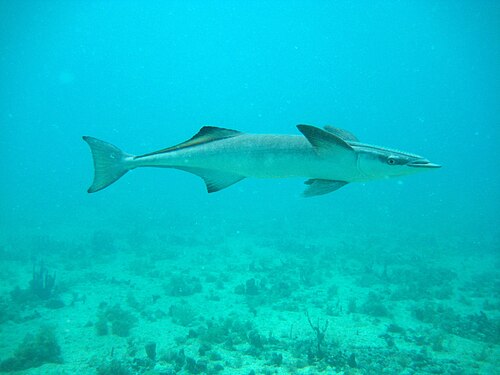
Symbiont NOAA CCMA Biogeography Team / Public domain · cc0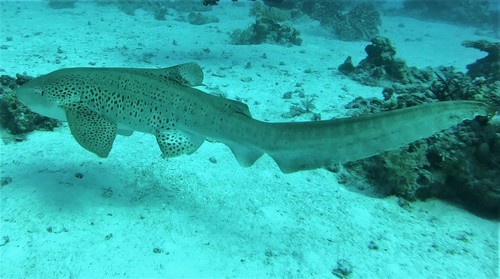
Close Relative (c) Fábio Olmos, some rights reserved (CC BY) · cc-by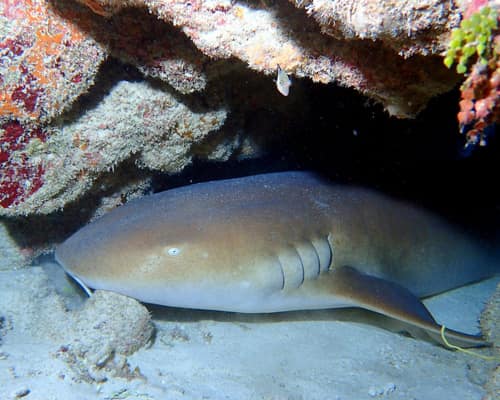
Close Relative Adam / CC BY 2.0 · CC BY 2.0
Keep collecting in Fauna
Found in Collections
Species set Pro
Ocean Creatures
Whale Shark is found in this collection. Identify it in Fauna to fill this slot and continue your progress.
Unlock to track progress
Help improve the field guideSomething wrong?
Checking your Fauna account…Report a name, category, or profile issue for review.