
Species · GBIF taxon 2394265
Pacific Barracuda
Sphyraena argenteaAlso known as California Barracuda, Silver Barracuda
Pacific barracudas are sleek, torpedo-shaped predators that patrol temperate and subtropical coastal shelves in swift, coordinated schools. Equipped with rows of razor-sharp fangs and acute vision, they launch high-speed ambush attacks against baitfish near kelp forests and open water reefs. Seasonal migrations track warming currents each spring, bringing massive aggregations northward into Southern California waters to spawn.
MarinePredatorySchooling
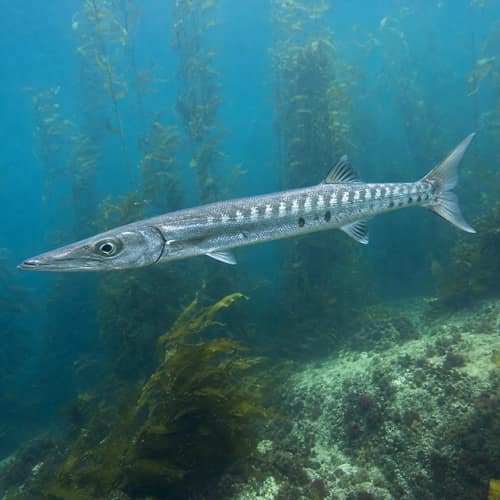
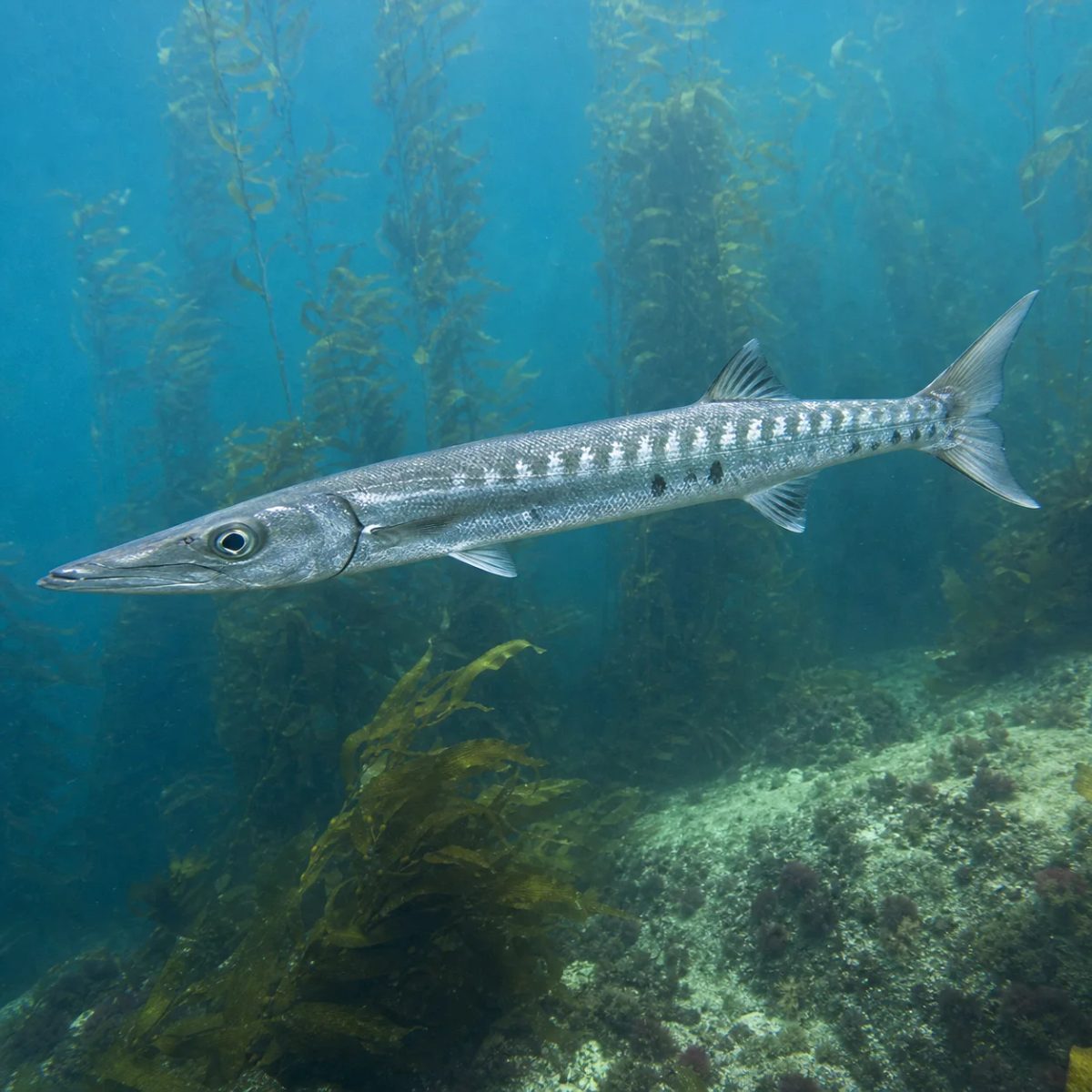
Licensed referenceDarren Baker / CC BY 3.0 · CC BY 3.0
—observations
—countries
—peak records
Least ConcernConservation statusIUCN Red List categoriesLCNTVUENCREWEXLeast ConcernRed List categories, explained →
Diet & prey
- Northern Anchovy
- Pacific Sardine
- Market Squid
Predators
- California Sea Lion
- Shortfin Mako Shark
- Giant Sea Bass
ThreatsCommercial netting, sportfishing harvest pressure, and marine heatwaves altering forage abundance
HabitatsPelagic coastal waters, rocky reefs, kelp bed fringes, and offshore island shelves
Life span10–12 years
Size / weightNot available
Classification
- FamilySphyraenidae
- SpeciesSphyraena argentea
Range data is not available yet.
Interaction riskLow
- Low
- Moderate
- High
- Very high
- Why interaction risk is low
- Sharp teeth can cause severe lacerations if handled; keep hands clear when unhooking catches.
- Why it is dangerous
- Possesses prominent, razor-edged fangs and powerful jaw muscles capable of inflicting deep, jagged lacerations when thrashing on deck or in nets.
- How to recognize a risky encounter
- Recognizable by an elongated silvery body, bluish back, widely separated dorsal fins, and a projecting lower jaw filled with canine-like teeth.
- What to do
- Never handle near the head or gill covers without a secure fish grip, and release by grasping the tail wrist while supporting the body.
Responsible observation
- Handling Precaution: Use long-nose pliers to remove hooks and avoid grasping near the jaws.
- Diving Etiquette: Maintain steady movements while observing schools; they generally ignore quiet divers.
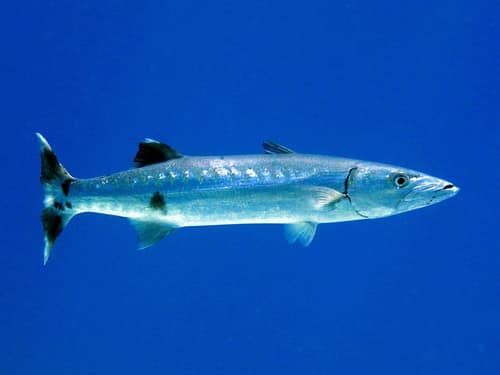
Same Genus Hectonichus / CC BY-SA 4.0 · CC BY-SA 4.0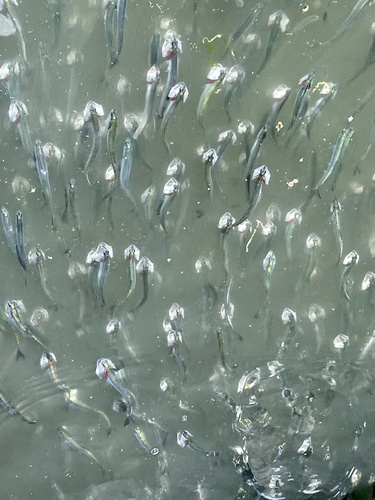
Prey no rights reserved · cc0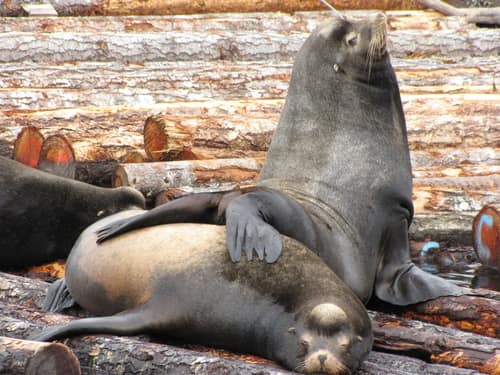
Predator (c) Liam Steele, some rights reserved (CC BY), uploaded by Liam Steele · cc-by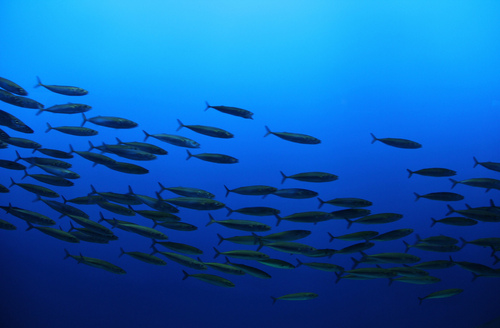
Competitor (c) Dragan Maksimovic, some rights reserved (CC BY-SA) · cc-by-sa
Help improve the field guideSomething wrong?
Checking your Fauna account…Report a name, category, or profile issue for review.