
Invertebrate · GBIF taxon 2290184
Giant Squid
Architeuthis duxDwelling in the twilight and bathypelagic zones of the open ocean, giant squids navigate total darkness using enormous dinner-plate-sized eyes that detect faint bioluminescence and the silhouettes of approaching predators. They capture prey by rapidly shooting out a pair of elongated feeding tentacles lined with hundreds of toothed suckers, dragging fish and other squids toward a powerful, parrot-like beak. Neutral buoyancy is maintained without a gas-filled swim bladder by concentrating ammonium ions throughout their muscular tissues.
Deep SeaGiantMarine
—observations
—countries
—peak records
Least ConcernConservation statusIUCN Red List categoriesLCNTVUENCREWEXLeast ConcernRed List categories, explained →
Diet & prey
- Hoki
- Lanternfish
- Deep-sea squid
Predators
- Sperm Whale
- Pacific Sleeper Shark
- Southern Sleeper Shark
ThreatsDeep-sea commercial trawling, marine pollution, and climate-driven ocean warming
HabitatsMesopelagic and bathypelagic open ocean
Life span1–5 years
Size / weightNot available
Classification
- FamilyArchiteuthidae
- SpeciesArchiteuthis dux
Range data is not available yet.
Interaction riskLow
- Low
- Moderate
- High
- Very high
- Why interaction risk is low
- Safe to observe at a normal distance; inhabit deep oceanic waters far from human contact.
Responsible observation
- Stranding Reports: Contact local marine authorities or universities immediately if a washed-up specimen is discovered.
- Scientific Integrity: Do not touch, move, or take samples from beached remains, as intact tissue is rare and vital for research.
 Image unavailable
Related Cephalopod 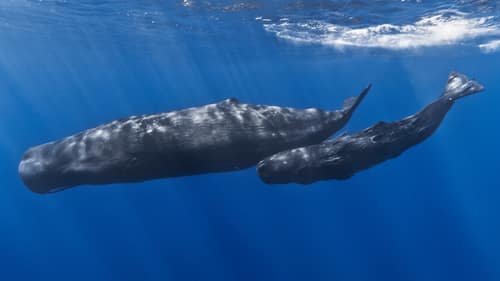
Predator (c) Gabriel Barathieu, some rights reserved (CC BY-SA) · cc-by-saRelated Cephalopod Prey
Help improve the field guideSomething wrong?
Checking your Fauna account…Report a name, category, or profile issue for review.