
Insect · GBIF taxon 2007574
Belostoma flumineum
Belostoma flumineumAlso known as Giant Water Bug, Electric Light Bug, Toe-Biter
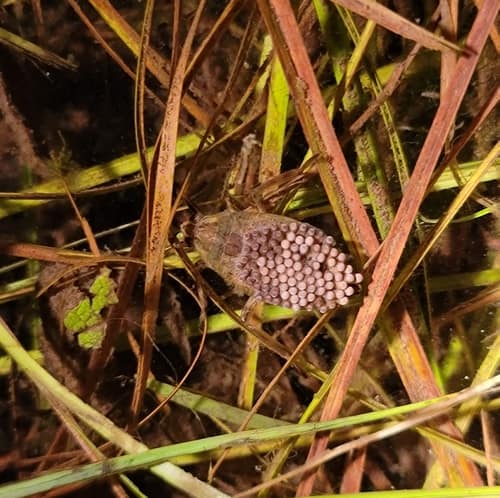
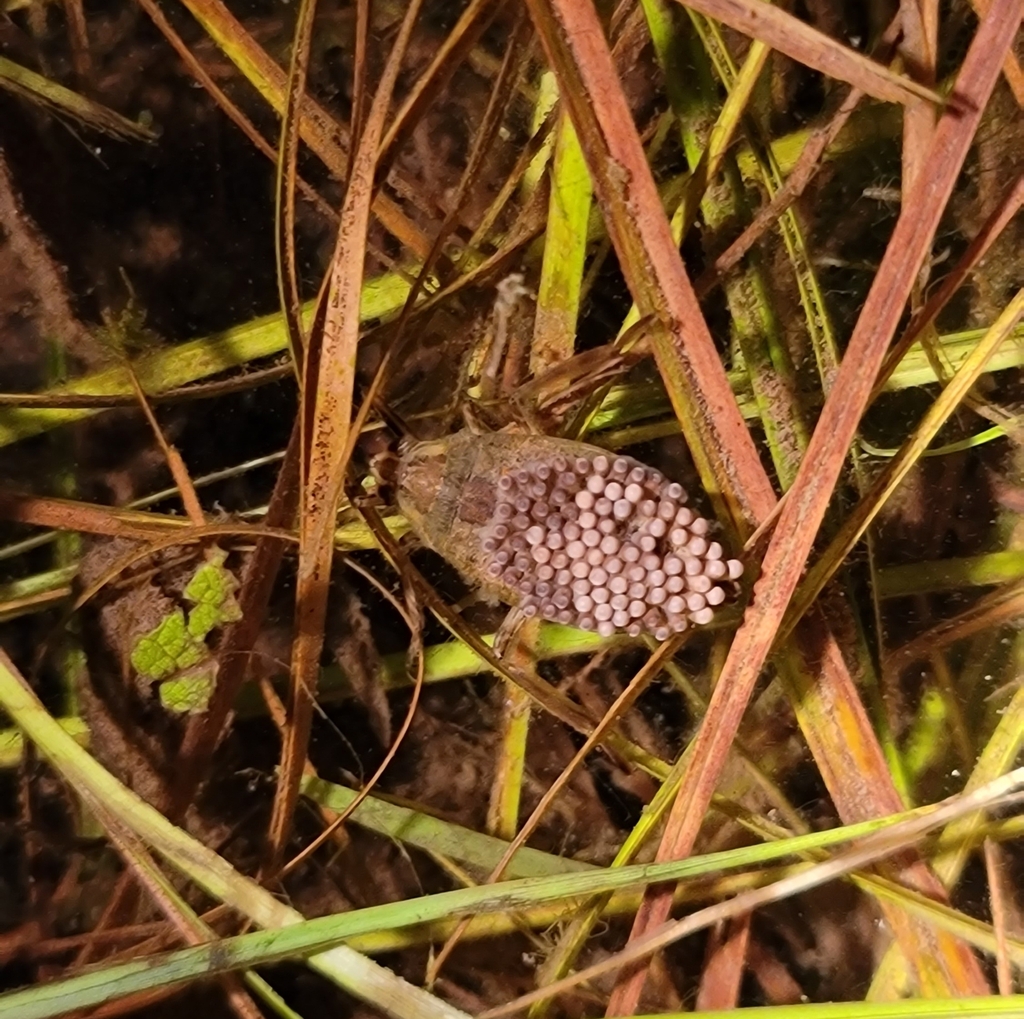
Belostoma flumineum lurks motionless among submerged vegetation, snapping outward with raptorial forelegs to capture invertebrates, tadpoles, and small fish before injecting liquifying digestive enzymes. Mating pairs engage in an unusual courtship where the female glues dozens of eggs directly onto the male's back. The dedicated father broods these eggs for weeks, frequently surfacing to circulate oxygenated water over them and protect them from aquatic predators.
AquaticPredatoryNocturnal
—observations
—countries
—peak records
Not EvaluatedConservation statusIUCN Red List categoriesLCNTVUENCREWEXNot Evaluated — not placed on the risk ladderRed List categories, explained →
Diet & prey
- Mosquito Larvae
- Freshwater Snails
- Tadpoles
Predators
- American Bullfrog
- Great Blue Heron
- Largemouth Bass
ThreatsWetland loss, pesticide contamination, and water pollution
HabitatsShallow ponds, marshes, lakeshores, and slow-moving streams
Life span1–2 years
Size / weightNot available
Classification
- FamilyBelostomatidae
- SpeciesBelostoma flumineum
Range data is not available yet.
Interaction riskLow
- Low
- Moderate
- High
- Very high
- Why interaction risk is low
- Delivers an intensely painful defensive bite if handled; observe in a container rather than touching directly.
- Why it is dangerous
- Injects digestive saliva via a sharp piercing rostrum, causing immediate, burning pain and localized swelling.
- How to recognize a risky encounter
- Recognizable by its flattened oval brown body, folded pincer-like front legs, and egg-encrusted male backs.
- What to do
- Never pick up barehanded from nets or pond debris; transfer into observation jars using forceps or spoons.
Responsible observation
- Pond Dipping: Sweep a fine mesh net through dense submerged weeds where adults anchor and hunt.
- Light Attracting: Check exterior walls near water on humid summer nights when winged adults disperse toward lights.
- Safe Inspection: Scoop individuals into a clear glass jar or tray rather than picking them up barehanded.
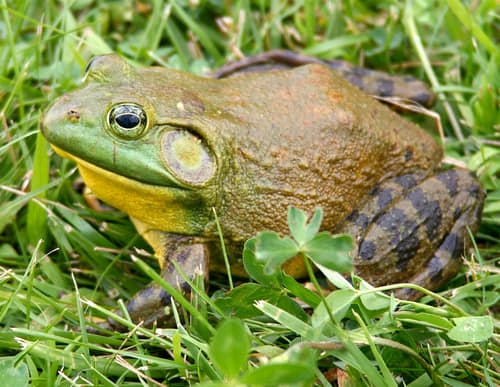
Predator Carl D. Howe / CC BY-SA 2.5 · cc-by-sa Image unavailable
Prey 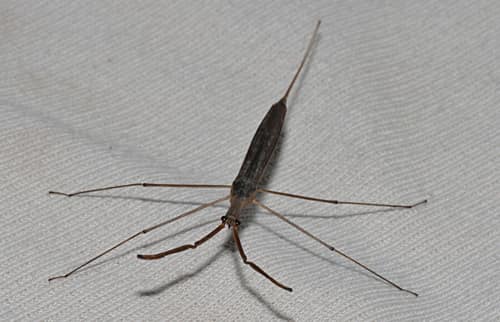
Competitor (c) Jimmy Dee, some rights reserved (CC BY-SA), uploaded by Jimmy Dee · cc-by-sa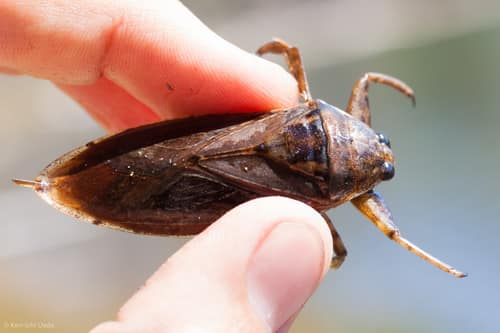
Close Relative (c) Ken-ichi Ueda, some rights reserved (CC BY) · cc-by
Help improve the field guideSomething wrong?
Checking your Fauna account…Report a name, category, or profile issue for review.