
Insect · GBIF taxon 1228026
Mountain Pine Beetle
Dendroctonus ponderosaeAlso known as Black Hills Beetle, Rocky Mountain Pine Beetle
Mountain pine beetles play an immense ecological role in western pine forests, coordinating mass attacks on mature trees using aggregation pheromones to overcome host resin defenses. Once beneath the bark, adults and larvae carve out winding vertical galleries while inoculating the tree with symbiotic blue-stain fungi that disrupt nutrient transport. While historically a natural agent of forest renewal, climate-driven warmer winters and prolonged droughts have triggered unprecedented landscape-level outbreaks that reshape continental carbon balances.
Bark BeetleForest InsectConifer Specialist
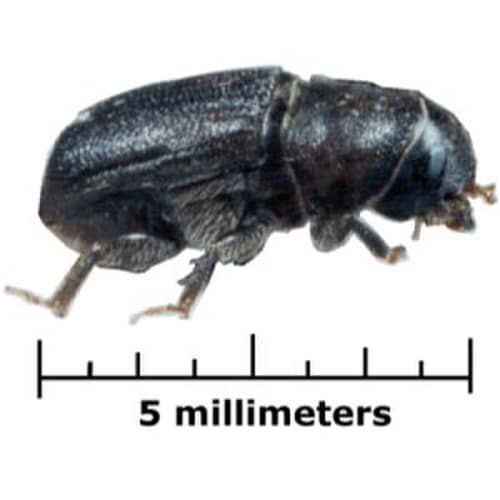

Licensed referenceWikimedia Commons / Public domain · cc0
—observations
—countries
—peak records
Not EvaluatedConservation statusIUCN Red List categoriesLCNTVUENCREWEXNot Evaluated — not placed on the risk ladderRed List categories, explained →
Diet & prey
- Pine phloem tissue
- Blue-stain fungi
Predators
- American Three-toed Woodpecker
- Red-bellied Clerid Beetle
- Hairy Woodpecker
ThreatsSustained sub-zero cold snaps, host tree depletion, and forestry management
HabitatsMontane coniferous forests and pine woodlands
Life span1 year
Size / weightNot available
Classification
- FamilyCurculionidae
- SpeciesDendroctonus ponderosae
Range data is not available yet.
Interaction riskLow
- Low
- Moderate
- High
- Very high
- Why interaction risk is low
- Safe to observe at a normal distance.
Responsible observation
- Sign Detection: Look for cream-colored pitch tubes oozing from pine bark, which signal a defensive tree response to boring beetles.
- Observe Galleries: Inspect dead fallen pine logs with peeling bark to observe the intricate vertical larval chambers.
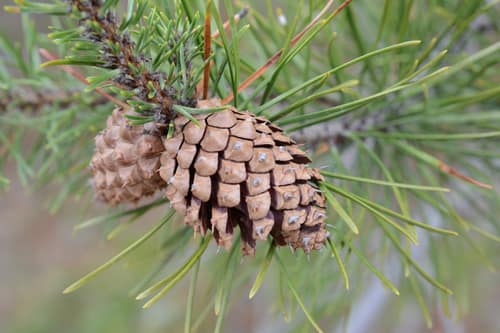
Host Plant (c) Alison Northup, some rights reserved (CC BY), uploaded by Alison Northup · cc-by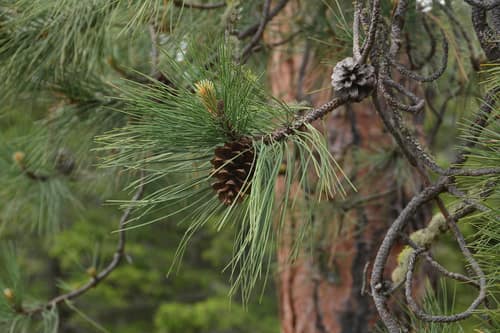
Host Plant no rights reserved, uploaded by Julia Carr · cc0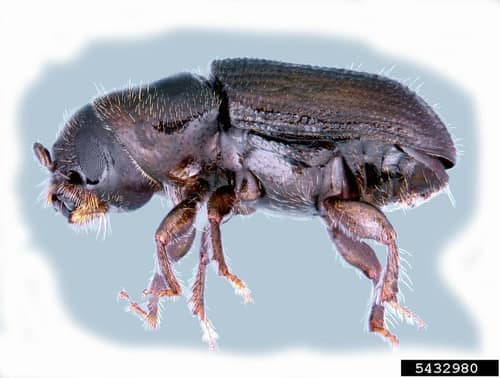
Same Genus (c) Erich G. Vallery, some rights reserved (CC BY) · cc-by
Predator no rights reserved, uploaded by Claude Lyneis · cc0
Help improve the field guideSomething wrong?
Checking your Fauna account…Report a name, category, or profile issue for review.